Traffic Engineering

Lost time Adjustment Synchro
Traffic Engineering, Trainings, Transportation Planning

Lost Time and Lost Time Adjustments in Synchro

In signalized intersection analysis, few parameters influence results as strongly and as quietly as lost time adjustment. When using Synchro or applying the Highway Capacity Manual (HCM) methodology, adjusting lost time can significantly change: Because of this sensitivity, lost time adjustments must be applied carefully, transparently, and defensibly. What is Lost Time? Lost time in […]

, , , ,
Saturation Flow Rate vs Lane Utilization Factor
Traffic Engineering, Trainings, Transportation Planning

Lane Utilization Factor and Saturation Flow Rate in Signalized Intersections

When performing signalized intersection analysis in tools such as Synchro or HCS, two commonly misunderstood parameters are Lane Utilization Factor (LUF) and Saturation Flow Rate (s). Both directly influence delay, capacity, and level of service calculations under the framework of the Highway Capacity Manual (HCM). This article provides a clear technical explanation of both terms

, , , ,
Pedestrian Counts
Public Transit, Traffic Engineering, Transportation & Climate Resilience, Transportation Planning

Using Pedestrian Counts in Traffic Engineering

Pedestrian counts are an essential input for intersection analysis (the main element in Traffic Impact Studies), particularly when modeling signalized intersections in software such as Synchro, Sidra, or VISUM. Unlike vehicle counts, pedestrians interact differently with traffic flows, and their impact on vehicle movements is captured through conflicting pedestrian volumes rather than directional “pedestrian flows.”

, , , ,
how to do traffic counting
Traffic Engineering, Trainings, Transportation Planning

How to Conduct Accurate Traffic Counts for Traffic Impact Studies

Traffic counts are the foundation of any Traffic Impact Assessment (TIS/TIA) and even Transportation Master Plans. Accurate traffic data ensures that intersection analyses, turning movements, and operational recommendations are reliable and defensible. This guide provides professional best practices for conducting traffic counts, including count duration, vehicle classification, intervals, intersection coordination, and the use of AI

, , , ,
Swept Path Analysis for Driveway design
Highway Design, Parking, Pavement, Traffic Engineering, Trainings, Transportation Planning

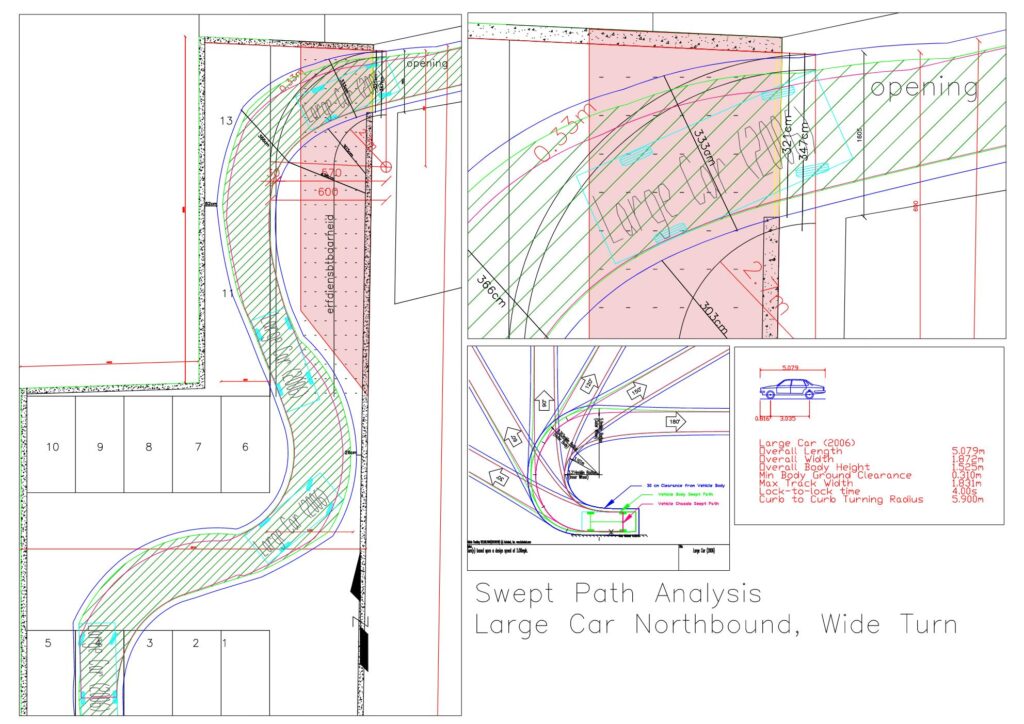
Swept Path Analysis and Vehicle Tracking in Traffic Impact Studies

Swept path analysis (also referred to as vehicle tracking) is a core technical component of traffic engineering and site access review. It evaluates whether design vehicles can safely and realistically maneuver through intersections, site accesses, parking areas, and constrained roadway environments. For transportation planners, civil engineers, and approving agencies, swept path analysis provides defensible evidence

, , , , ,
Best Pdf Tool
Highway Design, Parking, Traffic Engineering, Trainings

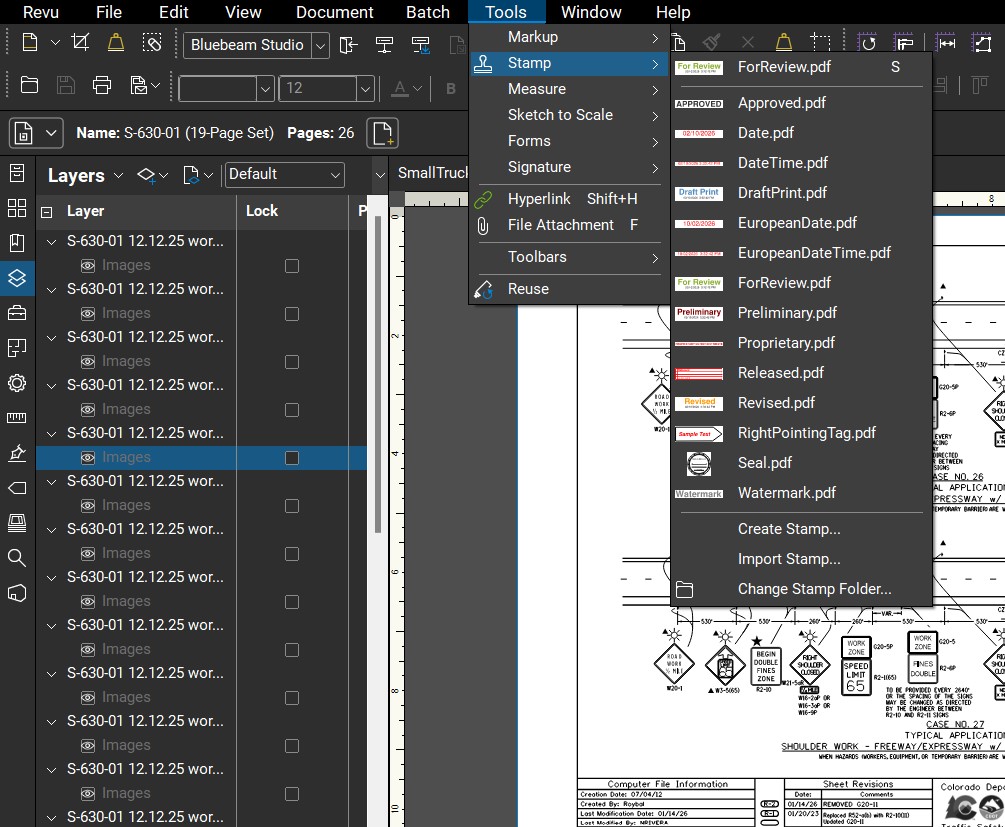
Bluebeam vs Adobe vs Other PDF Tools: What Engineers and Transportation Planners Should Actually Use

In engineering, planning, and infrastructure consulting, PDFs are a primary working format. Traffic impact studies, drawings, markups, review comments, and agency redlines are all typically exchanged, reviewed, and approved in PDF form. Yet many firms still rely on generic tools like Adobe Acrobat for highly technical review work. This article compares Bluebeam Revu, Adobe Acrobat,

, , ,
Reference standard road and highway geometries: lane widths, sidewalks, medians, shoulders, tapers, crosswalks, and signal heights in m & ft.
Highway Design, Pavement, Traffic Engineering, Trainings

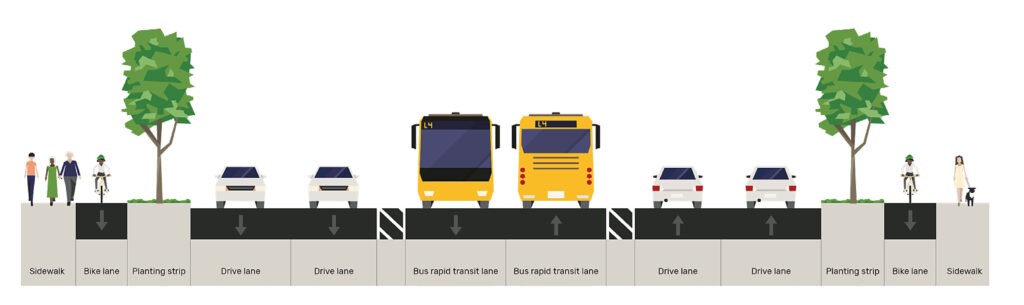
Standard Geometries in Road and Highway Design: Quick Reference

Designing streets and highways requires careful attention to geometric standards. Lane widths, sidewalk sizes, medians, and other roadway elements affect safety, efficiency, and comfort. This guide provides a comprehensive reference for planners and traffic engineers, including typical dimensions for freeways, arterials, collectors, and local streets. All dimensions are shown in meters and feet, based on

, , ,
What is ADT LOS DHV PHF in Transportation Engineering
Highway Design, Traffic Engineering, Trainings, Transportation Planning

Transportation & Traffic Engineering Abbreviations: Quick Reference Glossary

This glossary provides a comprehensive reference of commonly used abbreviations in transportation and traffic engineering. It covers terminology relevant to traffic studies, transportation planning, pavement design, and transit operations. Each entry includes a concise definition, with links to detailed guides or tools on Arterials.co, offering a reliable resource for professionals, planners, and students alike. Transportation

, , , , , ,
Calculate Construction Traffic
Highway Design, Pavement, Traffic Analysis Tools, Traffic Engineering, Transportation Planning

How to Estimate / Calculate Construction Traffic for Pavement Design

When designing roads, access drives, or service lanes around a development, engineers often focus on long-term operational traffic. However, in many projects, the most damaging traffic occurs during construction, not after completion. Heavy dump trucks, concrete mixers, low-bed trailers, and cranes can impose axle loads far greater than normal service vehicles. If construction traffic is

, , , , , , , , ,
Effective Green
Traffic Engineering, Trainings, Transportation Planning

Green Time vs Effective Green Time: What’s the Difference?

Signalized intersections are at the heart of urban mobility. To optimize traffic flow, planners and engineers must understand key signal timing concepts—two of the most important being Green Time and Effective Green Time. Although they sound similar, they serve different purposes in capacity analysis and signal design. This post explains both terms, highlights the differences,

, , ,
Scroll to Top