Traffic Engineering

Peak Hour Traffic Estimator
Traffic Analysis Tools, Traffic Engineering, Transportation Planning

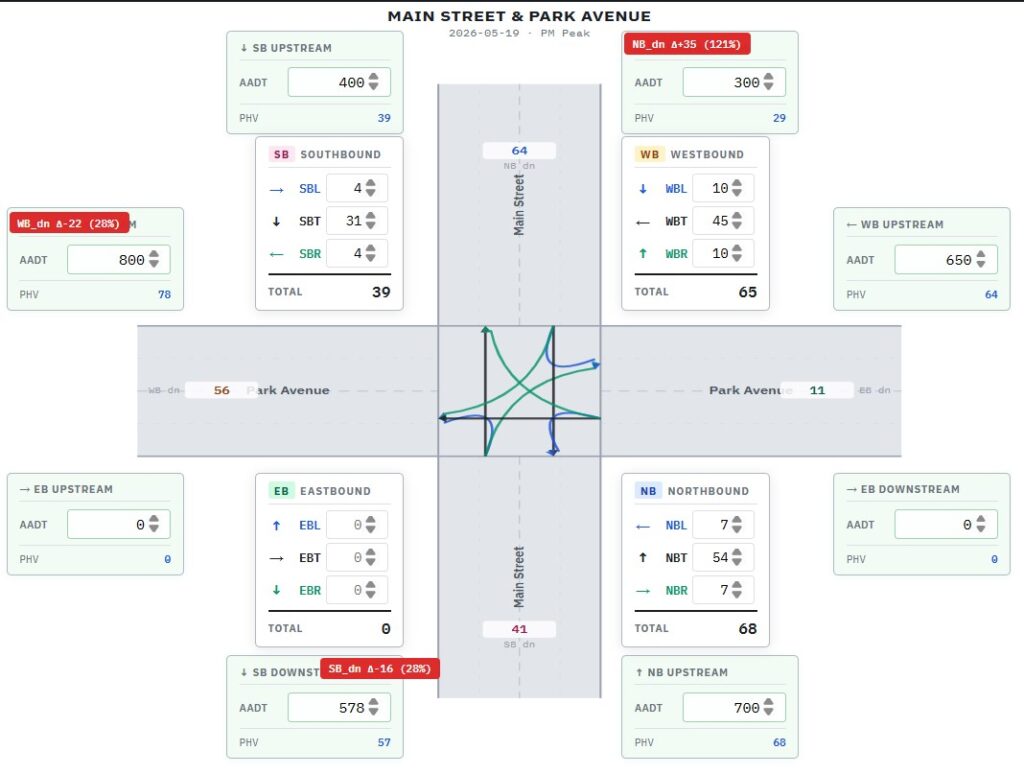
How to Estimate Turning Movement Counts (TMCs) from AADT or Link Volumes

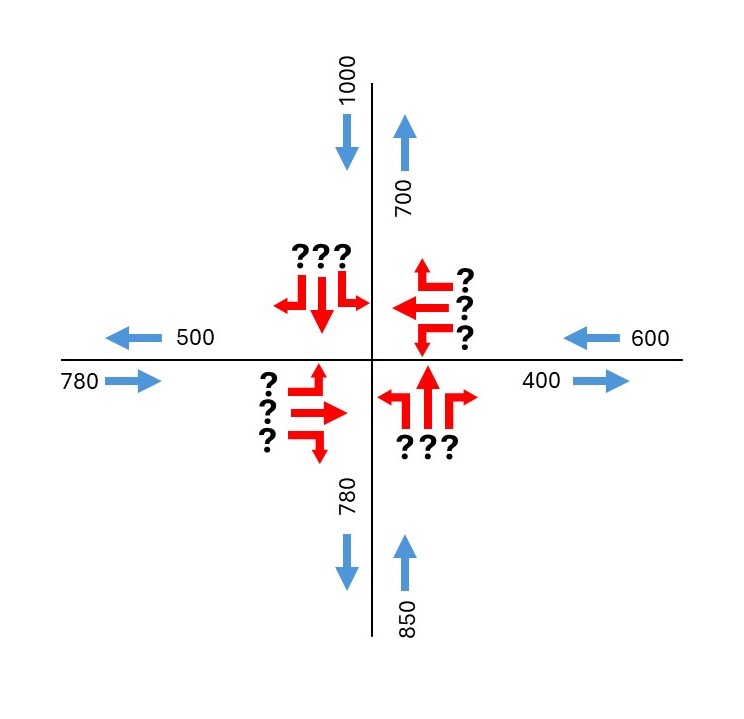
In transportation planning and traffic impact studies, a common problem is the lack of turning movement counts (TMCs). However, intersection capacity analysis still requires left, through, and right turning volumes. In practice, when turning movement counts are not available, engineers often need a structured way to estimate them from AADT or link volumes.A simple implementation […]

, ,
Traffic Video Analytics
Traffic Analysis Tools, Traffic Engineering, Transportation Planning

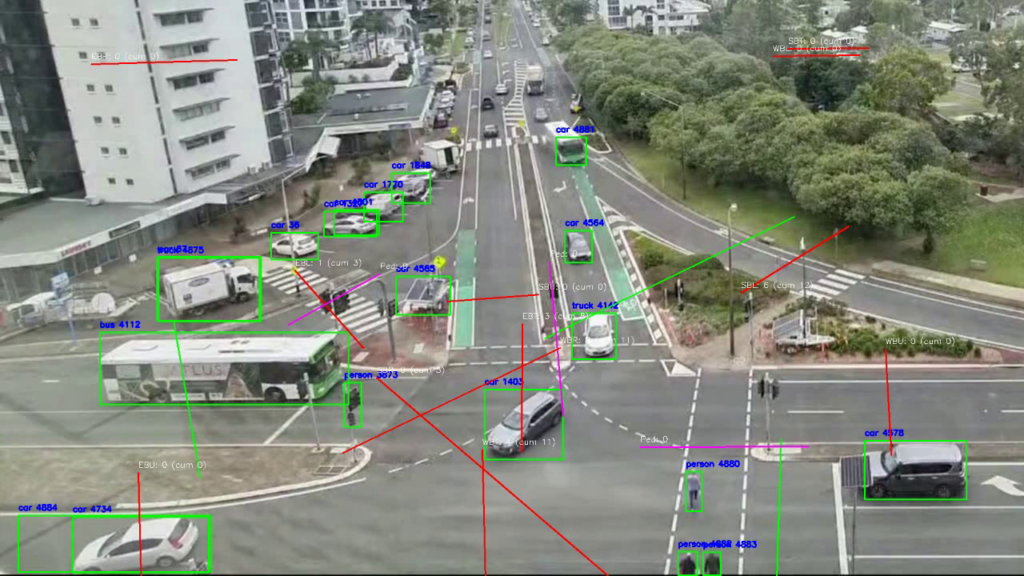
How to Count Traffic from Video (AI Traffic Video Analytics Guide)

The Challenge of Counting Traffic from Video Counting vehicles from video footage is a standard part of traffic studies, but it’s also one of the most time-consuming. Whether you’re working on, a Traffic Impact Assessment (TIA), an intersection turning movement count, or general traffic data collection, manual video review quickly becomes a bottleneck. In many

, , , , , , ,
Traffic Analysis Tools, Traffic Engineering, Trainings, Transportation Planning

How to Extract LOS Tables from Synchro Reports (Step-by-Step Guide)

Traffic analysis using Synchro often involves reviewing detailed output reports to assess intersection performance. While Synchro provides comprehensive results, extracting Level of Service (LOS) data and organizing it into a clean, report-ready table can be a time-consuming step, especially for larger networks. This guide outlines the typical process for extracting LOS tables from Synchro reports

, , , ,
TIA Thresholds and Categories
Traffic Engineering, Transportation Planning

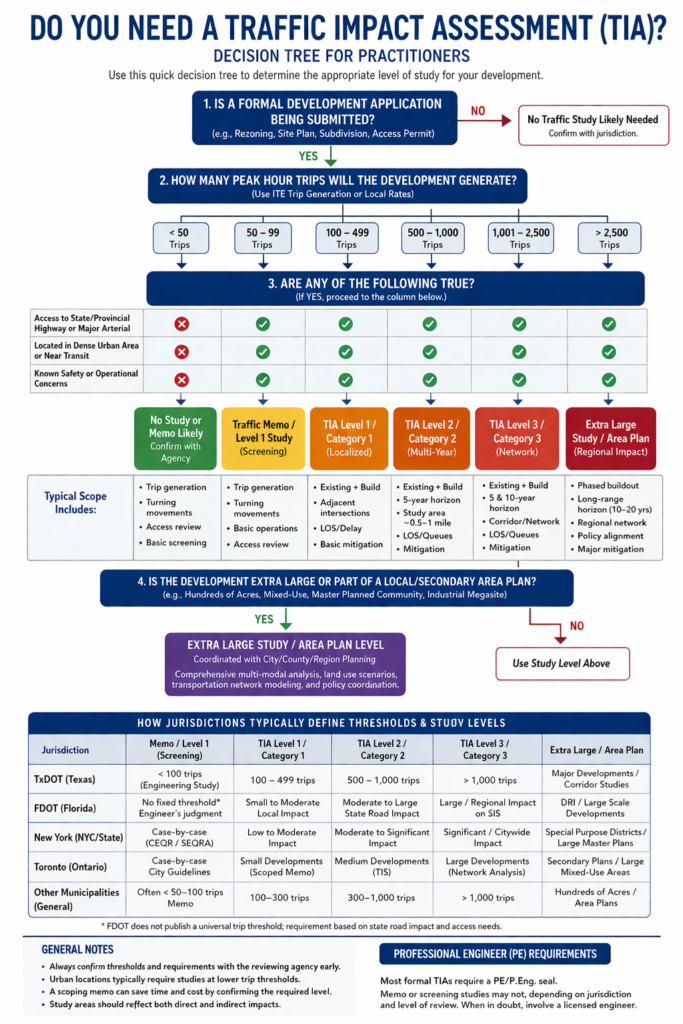
Traffic Impact Study (TIA Categories and Thresholds)

Categories, Study Levels, and Memo vs Report Requirements Across Jurisdictions Traffic Impact Assessments (TIAs) are a core component of development review, but requirements vary significantly by jurisdiction. While thresholds like “100 peak hour trips” are commonly cited, agencies such as TxDOT, FDOT, municipalities in New York, and the City of Toronto apply different criteria based

, , , ,
ITE Trip Generation Equation not Given
Traffic Engineering, Trainings, Transportation Planning

What to Do When ITE Trip Generation Data is Limited or Unreliable

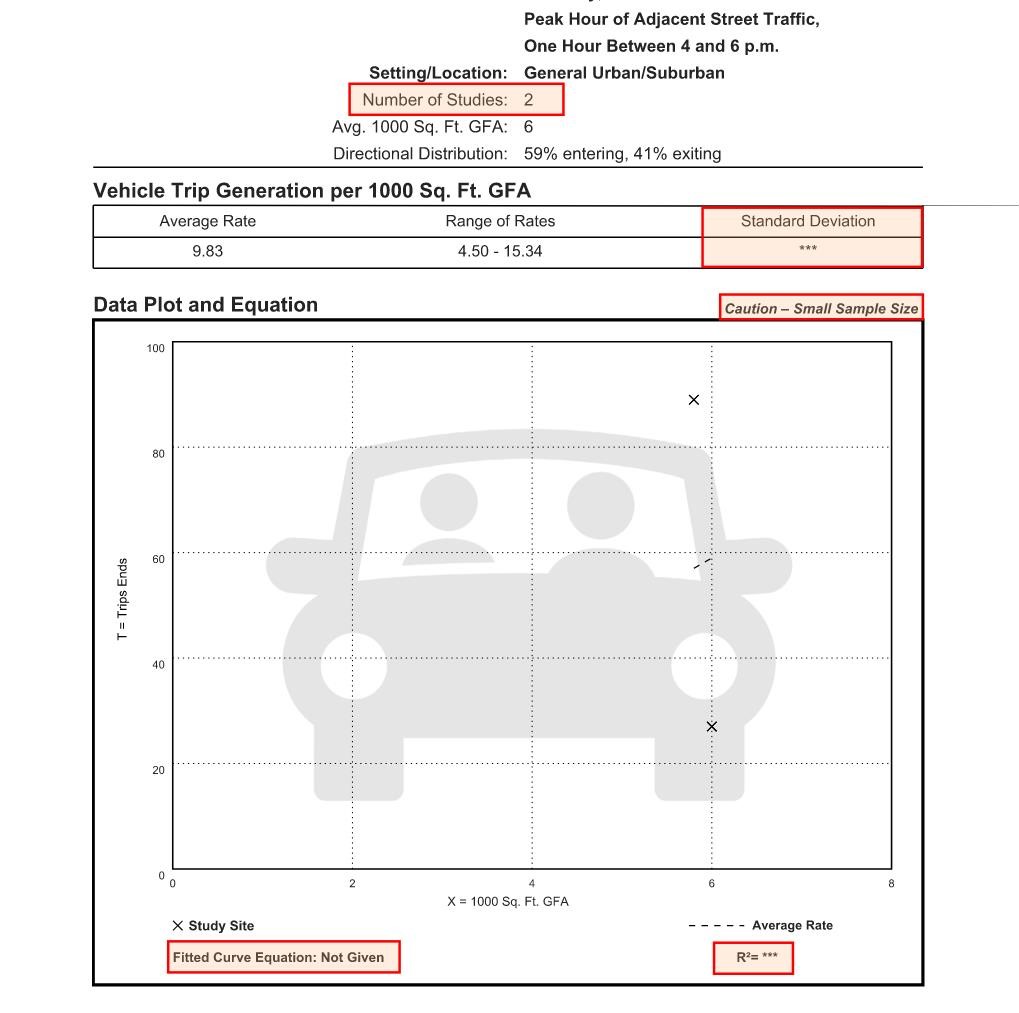
The ITE Trip Generation Manual 12th Edition provides both fitted curve equations and average trip rates for estimating trip generation. However, not all datasets are equally reliable. In many cases, there is either limited data points, or no equation provided. When preparing traffic impact studies for such land uses, engineers and planners must decide: Should

, , , , , , ,
Traffic Calming Island
Highway Design, Pavement, Traffic Engineering, Transportation Planning

Traffic Calming Strategies: Making Streets Safer and More Livable

What is Traffic Calming? Traffic calming refers to a range of design strategies and measures used to reduce vehicle speeds, improve road safety, and enhance the overall environment for pedestrians and cyclists. At its core, traffic calming is about shifting streets from being purely vehicle-dominated corridors to shared public spaces where safety and livability come

, , , , , ,
turn lane warrant AASHTO
Highway Design, Pavement, Traffic Analysis Tools, Traffic Engineering, Transportation Planning

Turning Lane and Auxiliary Lane Design: Warrants, Criteria, and Best Practices

One of the most common questions in traffic impact assessments (TIAs) is whether to propose turning lanes, acceleration lanes, or deceleration lanes. While adding lanes may seem like a straightforward solution to congestion, proposing them without justification can create unnecessary cost, invite reviewer comments, or even compromise safety. In this post, we’ll explain when to

, , , , ,
Road Classification in Transportation Engineering
GIS, Highway Design, Traffic Engineering, Trainings, Transportation Planning

Road Classification in Transportation Planning

Road classification (or class) is a fundamental concept in transportation planning and traffic engineering. It provides a framework for organizing roads according to their function within the transportation network, specifically how they balance mobility (moving traffic efficiently) and access (serving adjacent land uses). Higher-class roads prioritize mobility, moving large volumes of traffic over longer distances

, , , , , , ,
Lost time Adjustment Synchro
Traffic Engineering, Trainings, Transportation Planning

Lost Time and Lost Time Adjustments in Synchro

In signalized intersection analysis, few parameters influence results as strongly and as quietly as lost time adjustment. When using Synchro or applying the Highway Capacity Manual (HCM) methodology, adjusting lost time can significantly change: Because of this sensitivity, lost time adjustments must be applied carefully, transparently, and defensibly. What is Lost Time? Lost time in

, , , ,
Saturation Flow Rate vs Lane Utilization Factor
Traffic Engineering, Trainings, Transportation Planning

Lane Utilization Factor and Saturation Flow Rate in Signalized Intersections

When performing signalized intersection analysis in tools such as Synchro or HCS, two commonly misunderstood parameters are Lane Utilization Factor (LUF) and Saturation Flow Rate (s). Both directly influence delay, capacity, and level of service calculations under the framework of the Highway Capacity Manual (HCM). This article provides a clear technical explanation of both terms

, , , ,
Scroll to Top