Trainings

Traffic Analysis Tools, Traffic Engineering, Trainings, Transportation Planning

How to Extract LOS Tables from Synchro Reports (Step-by-Step Guide)

Traffic analysis using Synchro often involves reviewing detailed output reports to assess intersection performance. While Synchro provides comprehensive results, extracting Level of Service (LOS) data and organizing it into a clean, report-ready table can be a time-consuming step, especially for larger networks. This guide outlines the typical process for extracting LOS tables from Synchro reports […]

, , , ,
Parking Survey
Parking, Trainings

How to Conduct a Parking Survey: Techniques, Metrics, and Best Practices

Parking surveys are an essential tool for transportation planners, traffic engineers, and urban designers. Whether you’re evaluating a busy downtown street, a shopping center lot, or a mixed-use development, understanding how vehicles use parking spaces can inform policy, optimize land use, and improve traffic flow. In this guide, we’ll walk through types of parking facilities,

, , ,
ITE Trip Generation Equation not Given
Traffic Engineering, Trainings, Transportation Planning

What to Do When ITE Trip Generation Data is Limited or Unreliable

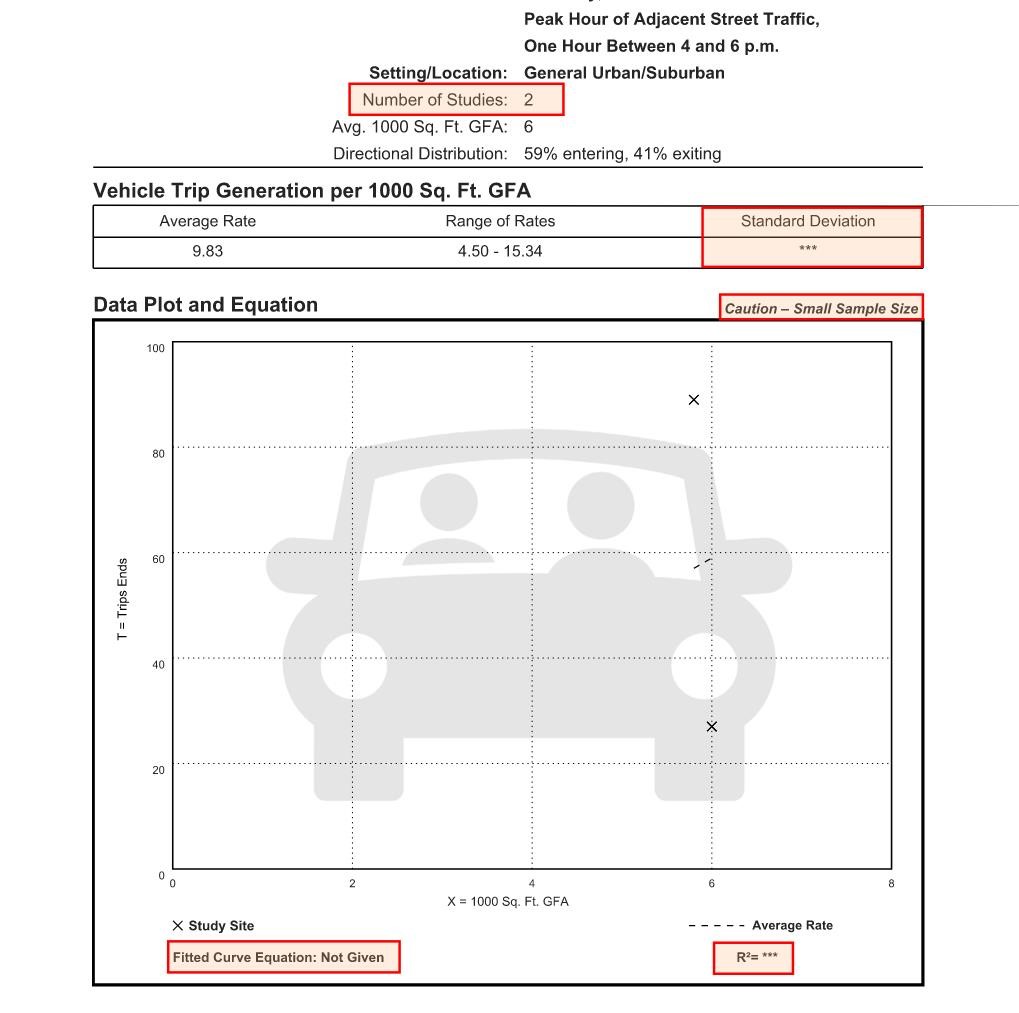
The ITE Trip Generation Manual 12th Edition provides both fitted curve equations and average trip rates for estimating trip generation. However, not all datasets are equally reliable. In many cases, there is either limited data points, or no equation provided. When preparing traffic impact studies for such land uses, engineers and planners must decide: Should

, , , , , , ,
Road Classification in Transportation Engineering
GIS, Highway Design, Traffic Engineering, Trainings, Transportation Planning

Road Classification in Transportation Planning

Road classification (or class) is a fundamental concept in transportation planning and traffic engineering. It provides a framework for organizing roads according to their function within the transportation network, specifically how they balance mobility (moving traffic efficiently) and access (serving adjacent land uses). Higher-class roads prioritize mobility, moving large volumes of traffic over longer distances

, , , , , , ,
Lost time Adjustment Synchro
Traffic Engineering, Trainings, Transportation Planning

Lost Time and Lost Time Adjustments in Synchro

In signalized intersection analysis, few parameters influence results as strongly and as quietly as lost time adjustment. When using Synchro or applying the Highway Capacity Manual (HCM) methodology, adjusting lost time can significantly change: Because of this sensitivity, lost time adjustments must be applied carefully, transparently, and defensibly. What is Lost Time? Lost time in

, , , ,
Saturation Flow Rate vs Lane Utilization Factor
Traffic Engineering, Trainings, Transportation Planning

Lane Utilization Factor and Saturation Flow Rate in Signalized Intersections

When performing signalized intersection analysis in tools such as Synchro or HCS, two commonly misunderstood parameters are Lane Utilization Factor (LUF) and Saturation Flow Rate (s). Both directly influence delay, capacity, and level of service calculations under the framework of the Highway Capacity Manual (HCM). This article provides a clear technical explanation of both terms

, , , ,
how to do traffic counting
Traffic Engineering, Trainings, Transportation Planning

How to Conduct Accurate Traffic Counts for Traffic Impact Studies

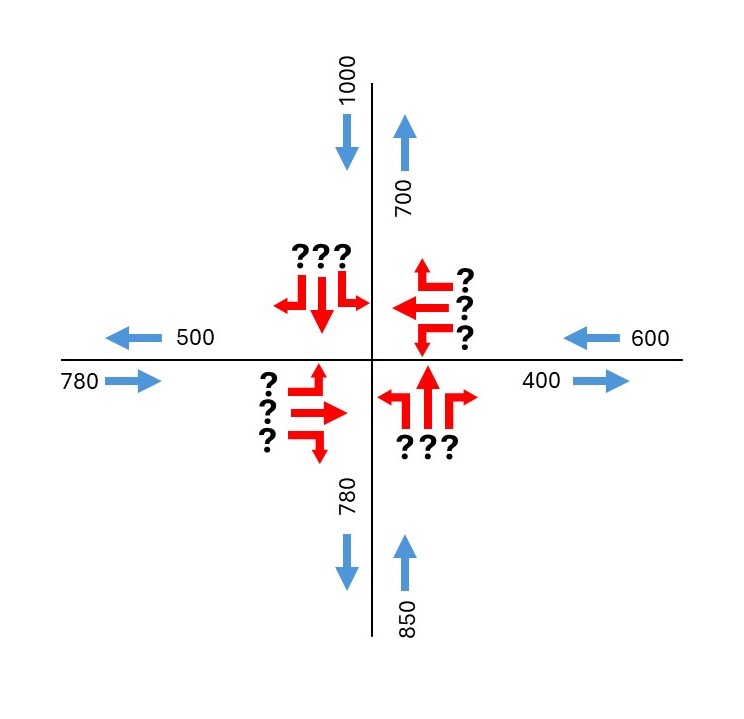
Traffic counts are the foundation of any Traffic Impact Assessment (TIS/TIA) and even Transportation Master Plans. Accurate traffic data ensures that intersection analyses, turning movements, and operational recommendations are reliable and defensible. This guide provides professional best practices for conducting traffic counts, including count duration, vehicle classification, intervals, intersection coordination, and the use of AI

, , , ,
Swept Path Analysis for Driveway design
Highway Design, Parking, Pavement, Traffic Engineering, Trainings, Transportation Planning

Swept Path Analysis and Vehicle Tracking in Traffic Impact Studies

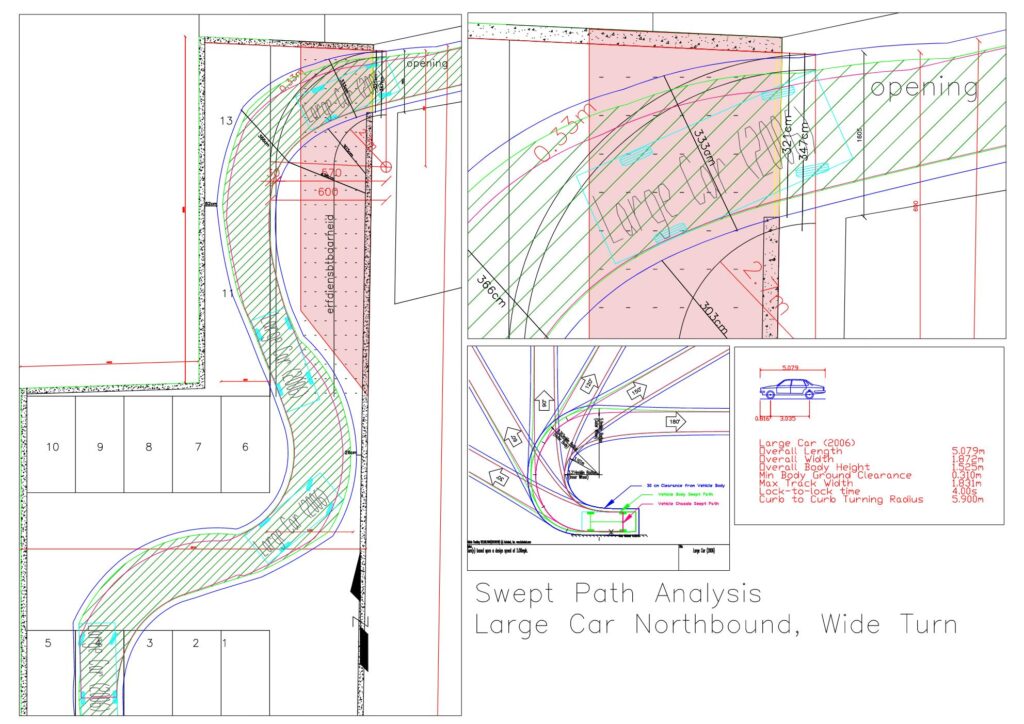
Swept path analysis (also referred to as vehicle tracking) is a core technical component of traffic engineering and site access review. It evaluates whether design vehicles can safely and realistically maneuver through intersections, site accesses, parking areas, and constrained roadway environments. For transportation planners, civil engineers, and approving agencies, swept path analysis provides defensible evidence

, , , , ,
Best Pdf Tool
Highway Design, Parking, Traffic Engineering, Trainings

Bluebeam vs Adobe vs Other PDF Tools: What Engineers and Transportation Planners Should Actually Use

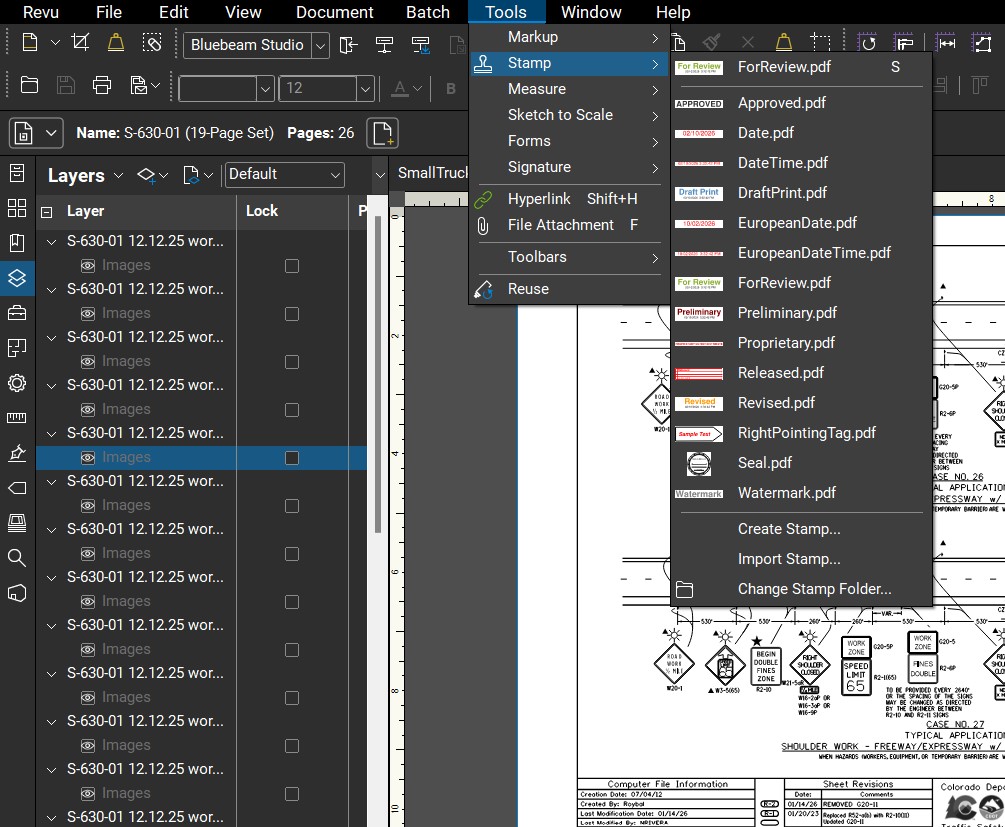
In engineering, planning, and infrastructure consulting, PDFs are a primary working format. Traffic impact studies, drawings, markups, review comments, and agency redlines are all typically exchanged, reviewed, and approved in PDF form. Yet many firms still rely on generic tools like Adobe Acrobat for highly technical review work. This article compares Bluebeam Revu, Adobe Acrobat,

, , ,
Reference standard road and highway geometries: lane widths, sidewalks, medians, shoulders, tapers, crosswalks, and signal heights in m & ft.
Highway Design, Pavement, Traffic Engineering, Trainings

Standard Geometries in Road and Highway Design: Quick Reference

Designing streets and highways requires careful attention to geometric standards. Lane widths, sidewalk sizes, medians, and other roadway elements affect safety, efficiency, and comfort. This guide provides a comprehensive reference for planners and traffic engineers, including typical dimensions for freeways, arterials, collectors, and local streets. All dimensions are shown in meters and feet, based on

, , ,
Scroll to Top