In modern urban planning, streets are no longer just about moving cars efficiently. A Complete Street is designed to safely accommodate all users; drivers, pedestrians, cyclists, transit riders, and people with disabilities. By prioritizing accessibility, safety, and connectivity, complete streets make communities more livable, sustainable, and vibrant.
At Arterials, we help cities and developers understand how to plan, design, and implement streets that work for everyone.
What is a Complete Street?
A Complete Street is more than just a road. It’s a multi-modal corridor that balances the needs of various users, including:
- Pedestrians – wide sidewalks, curb cuts, safe crossings, and pedestrian signals.
- Cyclists – protected bike lanes, cycle tracks, or shared lanes.
- Public Transit Users – bus lanes, shelters, and accessible stops.
- Motorists – efficient vehicle lanes, safe intersections, and clear signage.
- People with Disabilities – ramps, tactile paving, audible signals, and ADA-compliant features.
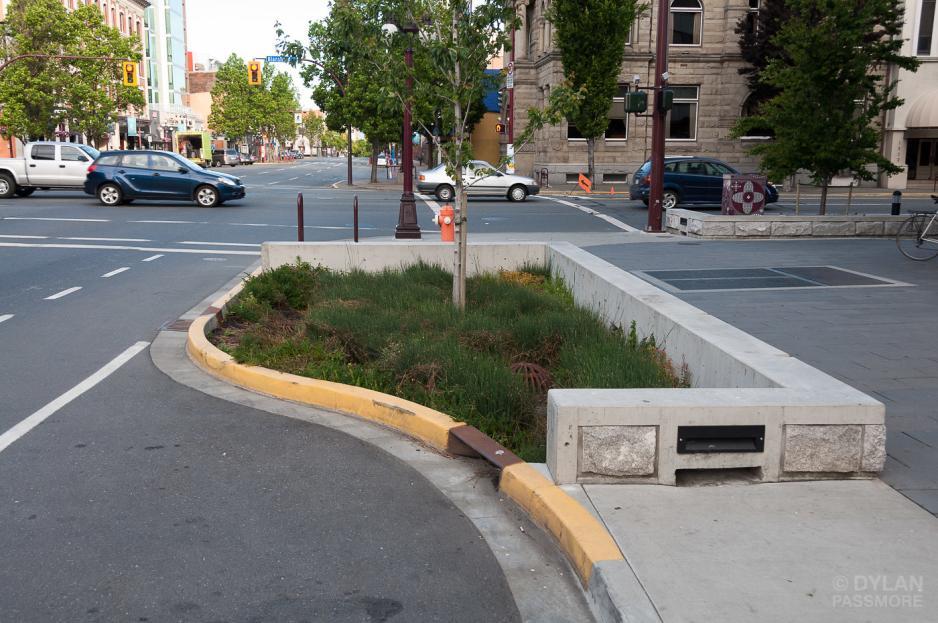
- Environmental Considerations – green infrastructure, trees, stormwater management, and sustainable materials.
A well-designed complete street is safe, comfortable, and convenient for all, regardless of age or mobility.
What Qualifies as a Complete Street?
Not every street can be called “complete.” Here are key elements that qualify a street:
- Multi-Modal Design – accommodates pedestrians, cyclists, transit, and vehicles.
- Connectivity – links neighborhoods, schools, commercial areas, and transit hubs.
- Safety – reduces crashes with traffic calming measures, clear signage, and crosswalks.
- Accessibility – meets ADA requirements for people with disabilities.
- Context-Sensitive Features – aligns street design with land use, community character, and environment.
- Comfort & Aesthetics – greenery, seating, lighting, and shelter from the elements.
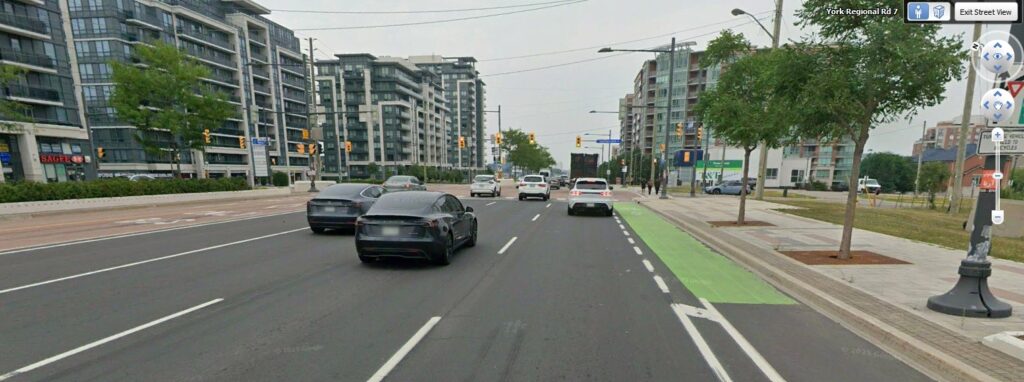
Example: Highway 7 through Thornhill, Canada, is a practical example of a corridor that has been upgraded with pedestrian crossings, bike lanes, a BRT System, and streetscaping to improve safety and connectivity for all users.
How to Build a Complete Street
Building a complete street involves planning, design, and community engagement:
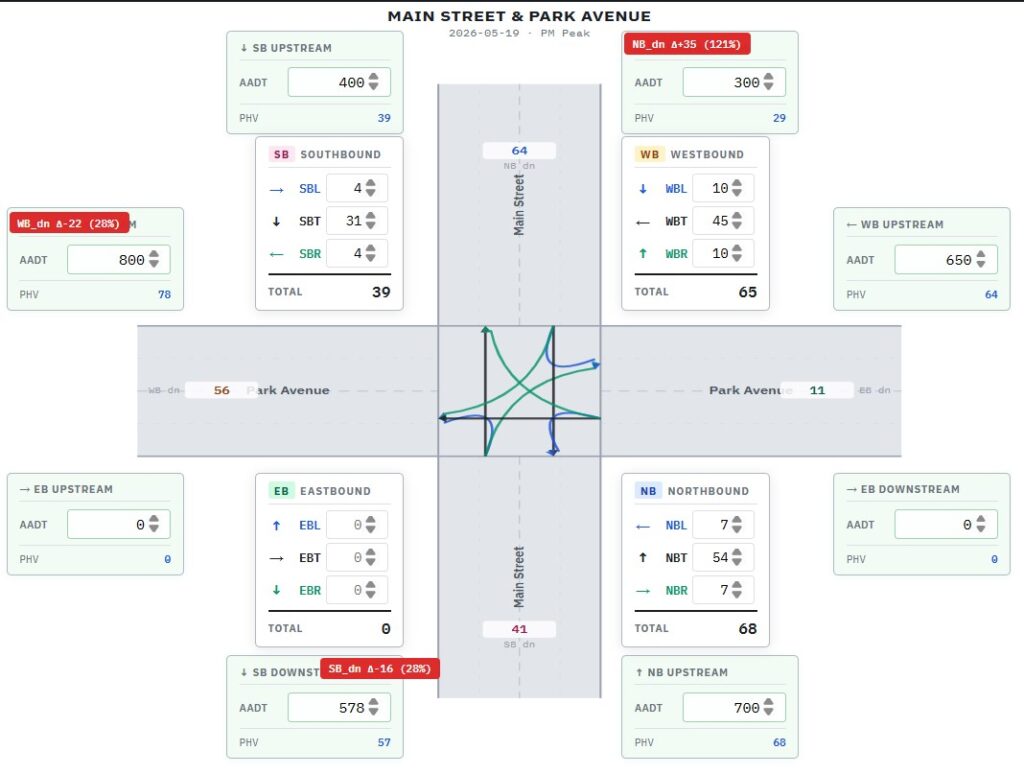
- Assess Existing Conditions – traffic volumes, pedestrian counts, accident history, and transit ridership.
- Engage Stakeholders – involve residents, businesses, and transit agencies in the planning process.
- Develop a Vision – define the purpose of the street and prioritize the users.
- Design Street Features – sidewalks, bike lanes, transit facilities, landscaping, crosswalks, and signage.
- Implement Traffic Calming – roundabouts, curb extensions, speed humps, and raised crossings.
- Monitor and Adapt – evaluate performance, collect feedback, and make adjustments over time.

Common Issues and Challenges
Even with the best intentions, complete streets can face hurdles:
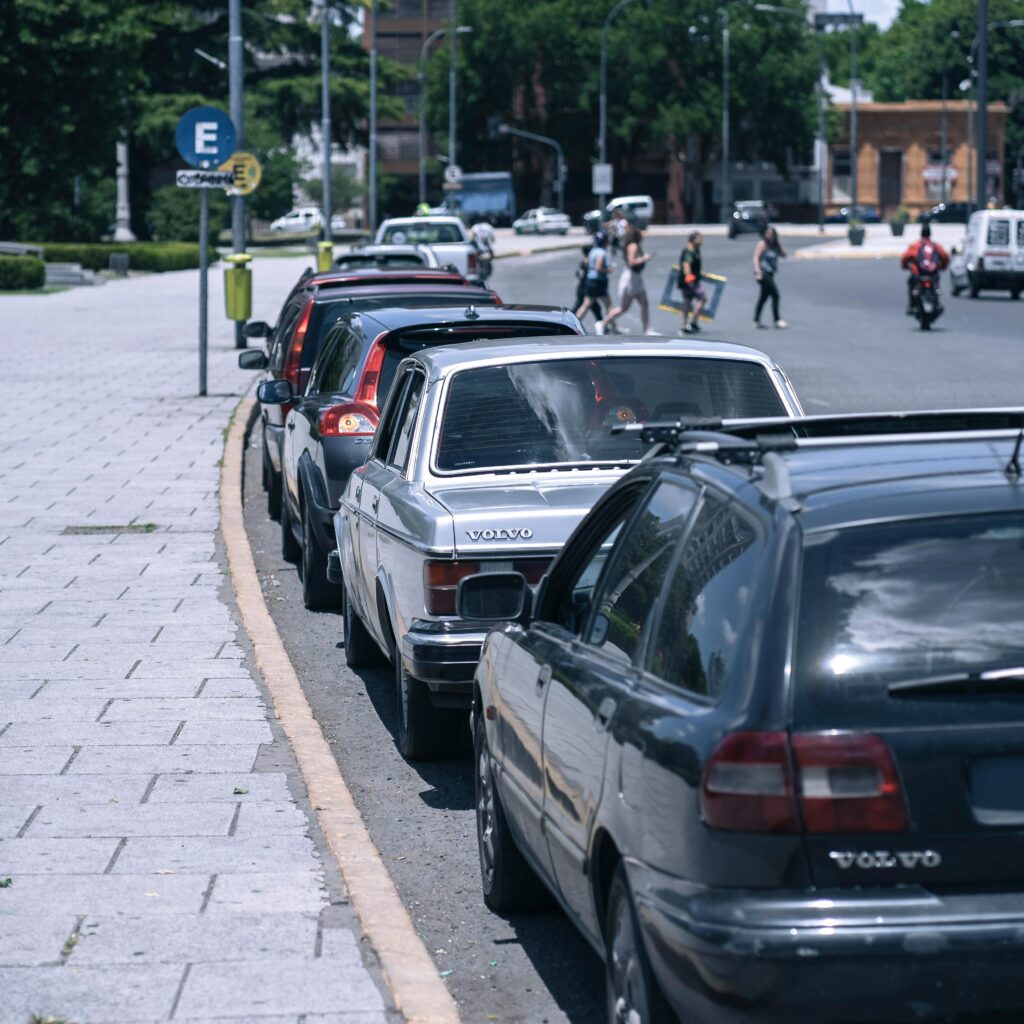
- Limited Right-of-Way – narrow streets may require trade-offs between lanes, parking, and sidewalks.
- High Costs – infrastructure upgrades can be expensive, especially in urban areas.
- Resistance from Drivers – reallocating vehicle lanes for cycling or pedestrian space can face opposition.
- Maintenance – bike lanes, sidewalks, and green infrastructure require regular upkeep.
- Coordination Challenges – multiple agencies (transportation, utilities, planning) must collaborate effectively.
At Arterials, we address these challenges with data-driven planning, stakeholder engagement, and innovative design solutions.
Benefits of Complete Streets
- Improved Safety – reduces crashes and injuries for all users.
- Healthier Communities – encourages walking, cycling, and active lifestyles.
- Economic Growth – more foot traffic benefits local businesses.
- Environmental Sustainability – lowers emissions and supports green infrastructure.
- Equity and Accessibility – ensures streets are usable for everyone, including children, seniors, and people with disabilities.
FAQs About Complete Streets
Q: Are complete streets only for urban areas?
A: No. While they are common in cities, complete streets can also be adapted for suburban and rural areas to improve safety and accessibility.
Q: How much does it cost to build a complete street?
A: Costs vary widely depending on street length, design complexity, and infrastructure improvements. Incremental upgrades can also be made over time.
Q: Do complete streets reduce car traffic?
A: They can redistribute traffic by encouraging walking, cycling, and transit use, but the goal is not to eliminate cars—it’s to balance all modes safely.
Q: How long does it take to implement a complete street?
A: Depending on scope, it can range from a few months for small retrofits to several years for major corridor upgrades.
Q: Can existing streets be converted into complete streets?
A: Yes. Many cities retrofit existing streets by adding bike lanes, improving sidewalks, and redesigning intersections.
Conclusion
Complete streets are the future of urban mobility. By prioritizing safety, accessibility, and multimodal transport, they create streets that serve everyone—residents, visitors, and businesses alike.
At Arterials, we provide expert guidance to help cities, developers, and planners design streets that are not only complete but also context-sensitive, sustainable, and user-friendly.