How to estimate transit ridership
Public Transit, Transportation Planning

How to estimate ridership for a transit line — a practical, end-to-end guide

Estimating ridership is the single most important early exercise in mass transit planning. A realistic ridership estimate tells you whether a scheme is worth designing, what level of service you should provide, and whether further investment in full demand modelling is warranted. This guide explains how to estimate ridership using both simple, defensible methods and […]
, , , , , , , , , , , , , ,
What is AADT
Highway Design, Pavement, Traffic Engineering, Transportation Planning

What is AADT (Annual Average Daily Traffic) in Traffic Engineering?

Annual Average Daily Traffic (AADT) is one of the most fundamental measures in traffic engineering and transportation planning. It represents the average number of vehicles that travel on a roadway segment each day over the course of an entire year. Put simply, it is a way to smooth out traffic variations across weekdays, weekends, and

, , , , , , , , ,
k factor
Traffic Engineering, Trainings

Understanding the K-Factor in Traffic Engineering

In traffic engineering, the K-factor is a critical parameter used in roadway design and traffic analysis. It represents the proportion of Annual Average Daily Traffic (AADT) that occurs during the design hour, and it allows engineers to size and evaluate roadways for their most critical operating conditions. Trying to calculate a traffic signal warrant? Try

, , , , , , , , , , ,
Climate-Resilient Public Transit
Public Transit, Transportation & Climate Resilience

Climate-Resilient Public Transit: Protecting Buses, Rail, and Depots from Extreme Weather

Why Public Transit Needs Climate Resilience Public transit systems—buses, metros, trams, and commuter rail—are the lifeblood of urban mobility. As cities grow, they are also frontline services in the fight against climate change. But extreme weather events pose new challenges: flooded bus depots, overheated rail tracks, disrupted power supplies, and stranded passengers. To maintain reliable,

, , , , , , ,
Innovative Road Design Solutions for Climate Resilience
Highway Design, Pavement, Transportation & Climate Resilience, Transportation Planning

Innovative Road Design Solutions for Climate Resilience

Why Roads Must Adapt to a Changing Climate Roads and highways form the backbone of global transport networks. Yet, they are increasingly vulnerable to the impacts of climate change—flooding, extreme heat, erosion, and storm damage. As weather patterns intensify, traditional road designs are no longer sufficient. Engineers and planners must now integrate resilience strategies to

, , , , , , , ,
Adapting Road and Rail Networks to Climate Change
Pavement, Public Transit, Transportation & Climate Resilience, Transportation Planning

Adapting Road and Rail Networks to Climate Change & Extreme Weather

Why Climate Resilience Matters Climate change is no longer a distant risk—it is a present-day reality. Rising temperatures, heavier rainfall, stronger storms, and frequent flooding are directly affecting how transport systems operate. Road and rail networks, designed for “historical” weather conditions, are increasingly vulnerable to climate extremes that disrupt connectivity, raise maintenance costs, and endanger

, , , , , , , , , ,
brt vs lrt vs metro
Public Transit, Transportation Planning

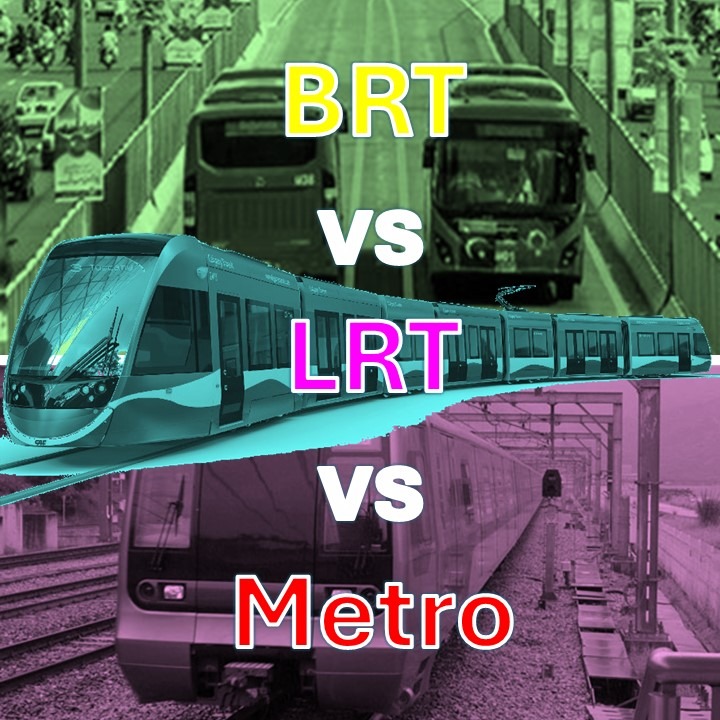
BRT vs. LRT vs. Metro: Choosing the Right Transit Mode for Your City

Urban mobility is at the heart of sustainable city growth. Around the world, cities face the challenge of moving large numbers of people efficiently, affordably, and with minimal environmental impact. Three of the most common mass transit modes considered are Bus Rapid Transit (BRT), Light Rail Transit (LRT), and Metro (Heavy Rail/Underground Rail). Whatever mode

, , , , , , , , , ,
ESAL
Highway Design, Pavement, Traffic Engineering

ESAL Cheat Sheet: Quick Reference for Pavement Engineers

What is an ESAL? ESAL Formula Where: Typical Load Equivalency Factors (LEFs) (based on AASHTO & typical LEFs) Vehicle Type Axles Typical Load (kips per axle) Approx. ESAL per Pass Passenger Car (sedan) 2 2–3 0.0004 Pickup / SUV 2 3–4 0.001 Delivery Van (2-axle, light) 2 4–5 0.005 Single-Unit Truck (2-axle, 6-tire) 2 6–9

, , , , , , , , , , , , ,
traffic signal warrant calculator
Traffic Engineering, Trainings, Transportation Planning

Understanding Signal Timing Plans: Key Terms and Control Types

Traffic signals are at the heart of modern intersections. Their timing not only dictates how efficiently traffic flows but also affects safety, pedestrian accessibility, and overall network performance. To design or evaluate a signal plan, engineers rely on a set of technical terms that describe how green, yellow, and red indications are distributed across phases

, , , , , ,
how to increase transit revenue
Public Transit

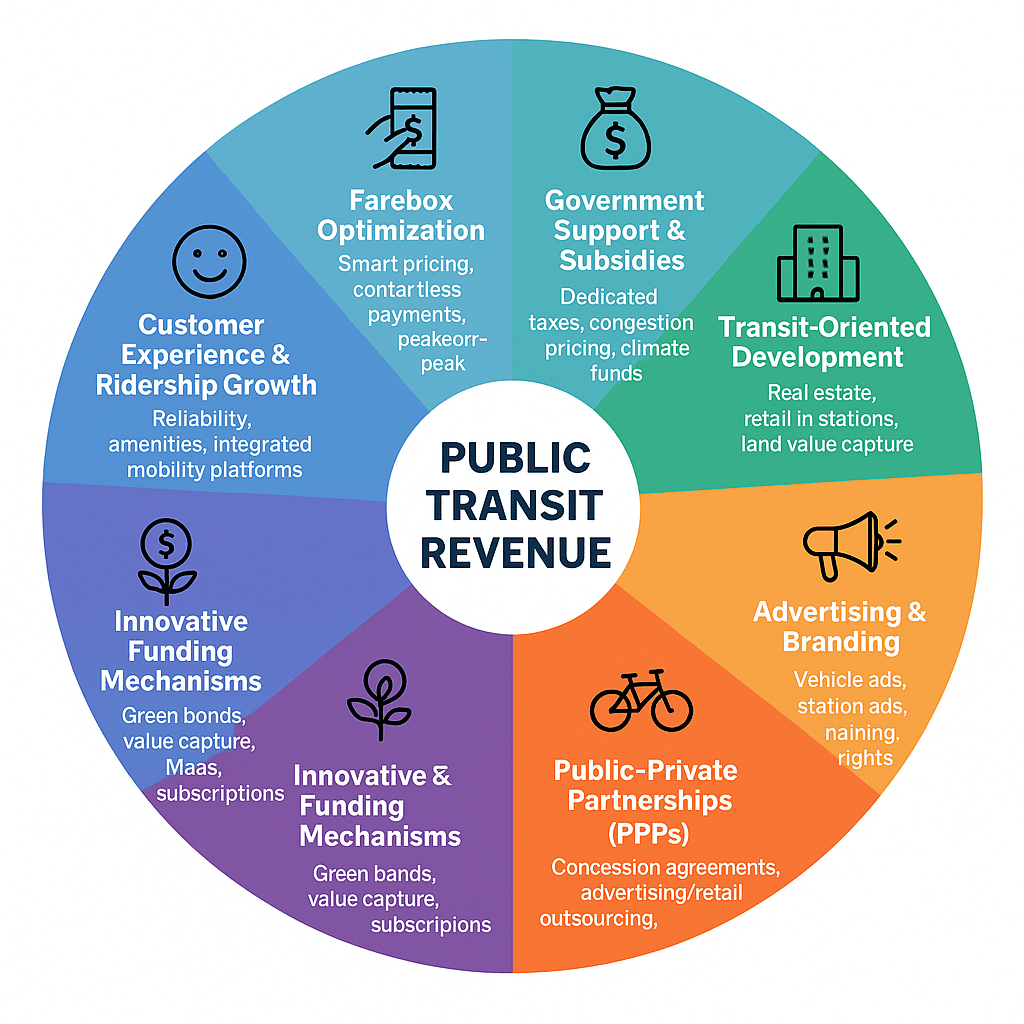
Revenue Generating Strategies for Public Transit Services

Public transit systems are the backbone of urban mobility—moving millions of people daily, reducing congestion, and supporting economic activity. Yet, many agencies around the world struggle with financial sustainability. Farebox revenue alone rarely covers operating costs, and capital-intensive expansions demand alternative funding sources. To thrive, transit agencies must diversify their income streams beyond fares. This

, , , , , , , , , ,
Scroll to Top