Urban Planning

ITE Trip Generation Equation not Given
Traffic Engineering, Trainings, Transportation Planning

What to Do When ITE Trip Generation Data is Limited or Unreliable

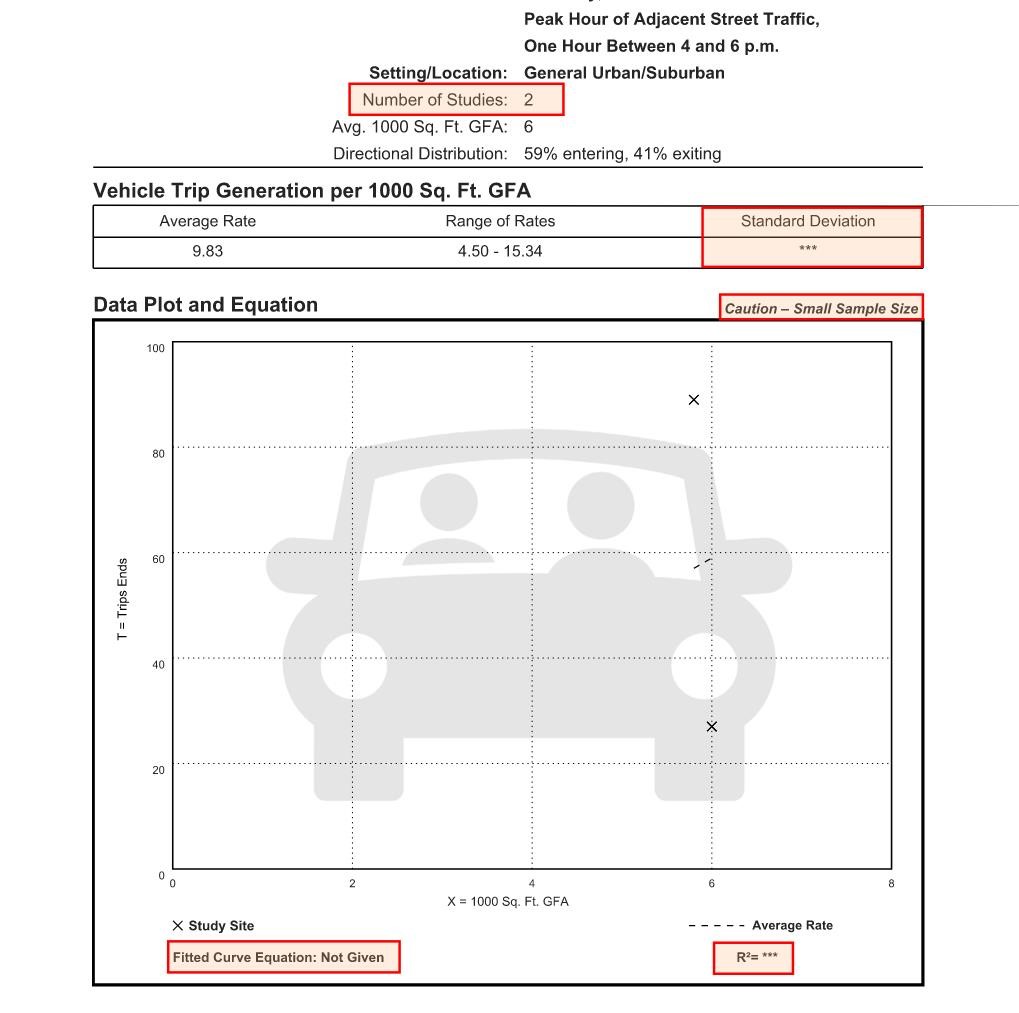
The ITE Trip Generation Manual 12th Edition provides both fitted curve equations and average trip rates for estimating trip generation. However, not all datasets are equally reliable. In many cases, there is either limited data points, or no equation provided. When preparing traffic impact studies for such land uses, engineers and planners must decide: Should […]
, , , , , , ,
Traffic Calming Island
Highway Design, Pavement, Traffic Engineering, Transportation Planning

Traffic Calming Strategies: Making Streets Safer and More Livable

What is Traffic Calming? Traffic calming refers to a range of design strategies and measures used to reduce vehicle speeds, improve road safety, and enhance the overall environment for pedestrians and cyclists. At its core, traffic calming is about shifting streets from being purely vehicle-dominated corridors to shared public spaces where safety and livability come

, , , , , ,
Road Classification in Transportation Engineering
GIS, Highway Design, Traffic Engineering, Trainings, Transportation Planning

Road Classification in Transportation Planning

Road classification (or class) is a fundamental concept in transportation planning and traffic engineering. It provides a framework for organizing roads according to their function within the transportation network, specifically how they balance mobility (moving traffic efficiently) and access (serving adjacent land uses). Higher-class roads prioritize mobility, moving large volumes of traffic over longer distances

, , , , , , ,
Pedestrian Counts
Public Transit, Traffic Engineering, Transportation & Climate Resilience, Transportation Planning

Using Pedestrian Counts in Traffic Engineering

Pedestrian counts are an essential input for intersection analysis (the main element in Traffic Impact Studies), particularly when modeling signalized intersections in software such as Synchro, Sidra, or VISUM. Unlike vehicle counts, pedestrians interact differently with traffic flows, and their impact on vehicle movements is captured through conflicting pedestrian volumes rather than directional “pedestrian flows.”

, , , ,
Reference standard road and highway geometries: lane widths, sidewalks, medians, shoulders, tapers, crosswalks, and signal heights in m & ft.
Highway Design, Pavement, Traffic Engineering, Trainings

Standard Geometries in Road and Highway Design: Quick Reference

Designing streets and highways requires careful attention to geometric standards. Lane widths, sidewalk sizes, medians, and other roadway elements affect safety, efficiency, and comfort. This guide provides a comprehensive reference for planners and traffic engineers, including typical dimensions for freeways, arterials, collectors, and local streets. All dimensions are shown in meters and feet, based on

, , ,
Highway Design, Public Transit, Trainings, Transportation Planning

Complete Streets: Designing Roads for Everyone

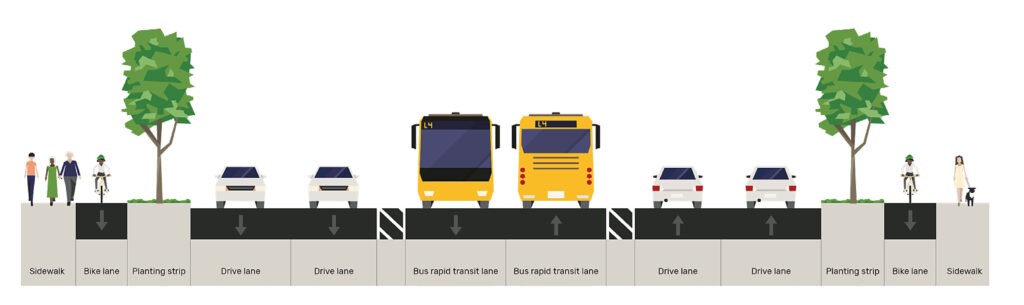
In modern urban planning, streets are no longer just about moving cars efficiently. A Complete Street is designed to safely accommodate all users; drivers, pedestrians, cyclists, transit riders, and people with disabilities. By prioritizing accessibility, safety, and connectivity, complete streets make communities more livable, sustainable, and vibrant. At Arterials, we help cities and developers understand

, , ,
What is ADT LOS DHV PHF in Transportation Engineering
Highway Design, Traffic Engineering, Trainings, Transportation Planning

Transportation & Traffic Engineering Abbreviations: Quick Reference Glossary

This glossary provides a comprehensive reference of commonly used abbreviations in transportation and traffic engineering. It covers terminology relevant to traffic studies, transportation planning, pavement design, and transit operations. Each entry includes a concise definition, with links to detailed guides or tools on Arterials.co, offering a reliable resource for professionals, planners, and students alike. Transportation

, , , , , ,
ArcGIS vs QGIS
GIS, Public Transit, Trainings, Transportation Planning

ArcGIS Pro vs QGIS: Which GIS Software Should Students and Young Professionals Learn?

Geographic Information Systems (GIS) are a core technical skill across urban planning, transportation engineering, environmental management, infrastructure development, and spatial data science. For students and young professionals entering the geospatial industry, one of the most common questions is: Should I learn ArcGIS Pro or QGIS? This article provides a technical, career-focused comparison of ArcGIS Pro

, , , , , ,
ITE Trip Generation Manual 12th Edition
Parking, Traffic Engineering, Trainings, Transportation Planning

ITE Trip Generation Manual 12th Edition — What’s New and How to Access It

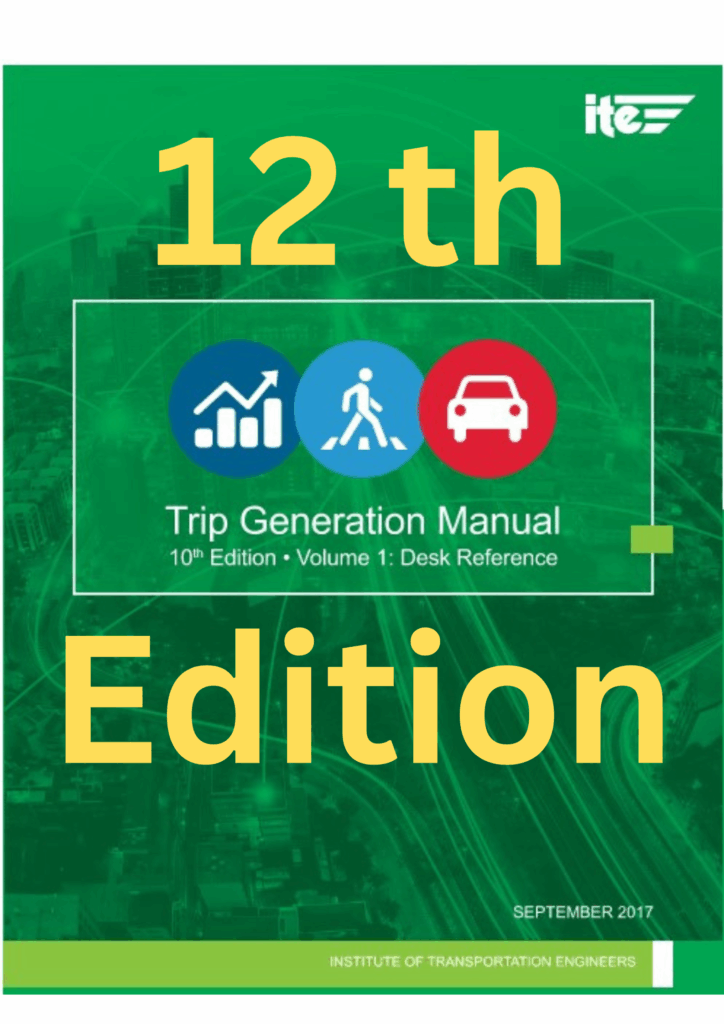
In the world of traffic engineering and transportation planning, few resources are as widely recognized (and as frustratingly hard to access) as the ITE Trip Generation Manual. With the release of the 12th Edition, transportation professionals are eager to see what’s new — but also wondering how to actually get their hands on it without

, , , , , ,
ITE Institute of Transportation Engineers Arterials
Traffic Engineering, Trainings, Transportation Planning

What Is ITE (Institute of Transportation Engineers) — And Why Every Transportation Professional Should Know About It

Transportation planning and traffic engineering are rapidly evolving — from traditional road design to smart mobility, AI-driven analytics, and sustainable transport. Yet behind all this progress, there’s one global organization quietly connecting professionals, setting standards, and advancing the field: the Institute of Transportation Engineers (ITE). Whether you’re a student, engineer, planner, or researcher, understanding ITE

, , , ,
Scroll to Top