Traffic Engineering

traffic signal warrant calculator
Traffic Engineering, Trainings, Transportation Planning

Understanding Signal Timing Plans: Key Terms and Control Types

Traffic signals are at the heart of modern intersections. Their timing not only dictates how efficiently traffic flows but also affects safety, pedestrian accessibility, and overall network performance. To design or evaluate a signal plan, engineers rely on a set of technical terms that describe how green, yellow, and red indications are distributed across phases […]
, , , , , ,
travel demand model
Public Transit, Traffic Engineering, Transportation Planning

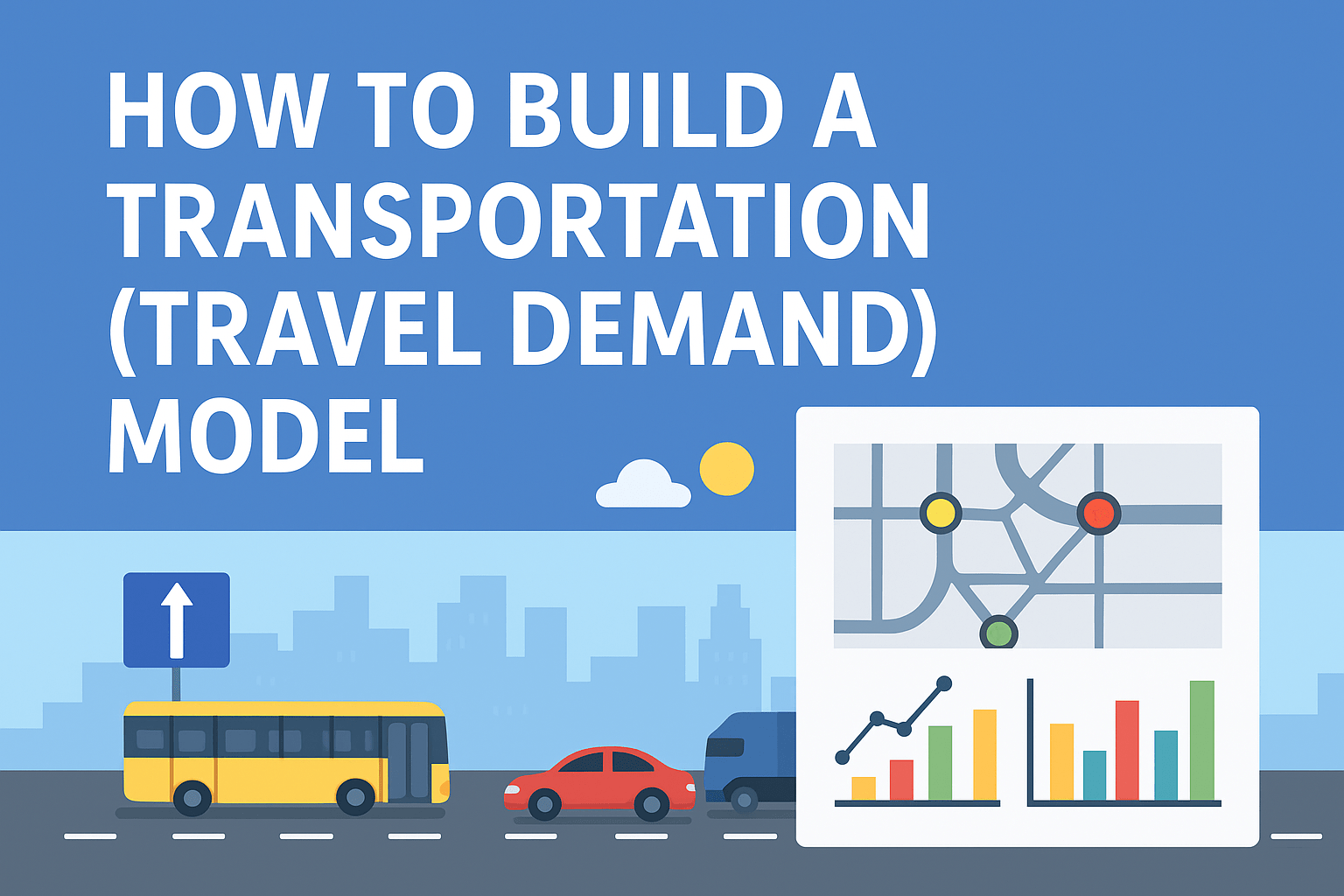
How to Build a Transportation (Travel Demand) Model: A Practitioner’s Guide

A transportation (travel demand) model is a quantitative framework that forecasts how people and goods move through a region under different land-use and network scenarios. Done well, a model becomes a decision engine: it helps test road and transit projects, pricing policies, and growth plans before spending real money. This guide covers when you actually

, , , , , , , , , , , , , ,
sight distance
Highway Design, Traffic Engineering

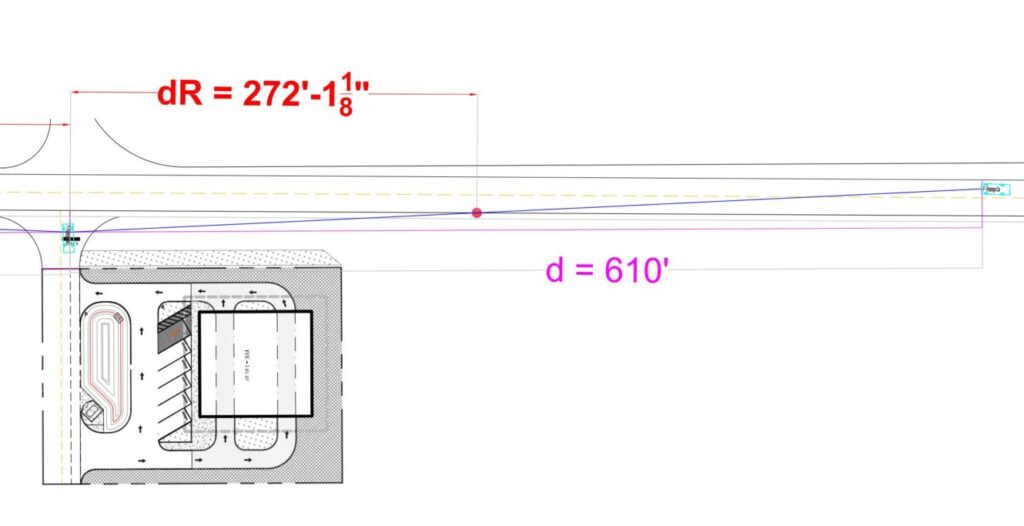
Sight Distance Requirements in Road Design

Sight distance is one of the most important considerations in road design. It represents the length of roadway visible to a driver, ensuring there is enough distance to perceive, react, and stop safely when encountering obstacles or conflicts. Inadequate sight distance can lead to unsafe conditions, higher crash risks, and poor traffic flow. This reference

, , , , , , , , ,
Should you study transportation engineering
Traffic Engineering, Trainings, Transportation Planning

Should You Study Transportation Engineering?

Transportation planning and engineering is one of the most dynamic and impactful career paths available today. It sits at the intersection of technology, infrastructure, sustainability, and public policy. If you’ve ever searched “Should I study transportation engineering?” or “Is traffic engineering a good career?”, this guide will help you understand why the answer is a

, , , , , , , , , , , , , , ,
pass by trips
Traffic Engineering, Transportation Planning

Pass-By Trips: What They Are, How to Calculate Them, and How Not to Get Burned

If you already work with trip generation, you know the headline challenge in many Traffic Impact Studies (TIS/TIA): not all site trips are “new” to the network. Some are simply siphoned from vehicles already passing by. Getting this right can change turn lane warrants, signal timing, and mitigation costs. This guide is a practitioner’s deep-dive

, , , , , , , , , , , , , , , , , , , , , , , ,
Parking Ratio Commercial Building
Parking, Traffic Engineering, Transportation Planning

Parking Ratio for Commercial Building – Quick Reference Guide

When planning or reviewing a commercial development, parking ratio is one of the most important site design considerations. This ratio, usually expressed as the number of parking spaces required per unit of floor area (e.g., spaces per 1,000 square feet or per 100 m²), ensures that the development can accommodate expected demand without overbuilding costly,

, , , , , , , , , ,
what is fleet size
Traffic Engineering, Trainings, Transportation Planning

What is Fleet Size? Guide for Transportation and Logistics

Fleet size refers to the total number of vehicles, vessels, or aircraft an organization owns or operates at a given time. While the definition sounds simple, the meaning and implications of fleet vary across industries—from public transit agencies and airlines to trucking companies, taxi services, and construction fleets. Whether you manage buses, trains, airplanes, or

, , , , , , , , , , , ,
Peak Hour Factor
Traffic Engineering, Trainings, Transportation Planning

Understanding Peak Hour Factor (PHF) in Traffic Studies: What It Is, Why It Matters, and How to Use It

Traffic engineering is full of nuanced concepts that help us better understand how roadways function under pressure—and one of the most important of these is the Peak Hour Factor (PHF). Whether you’re conducting a Traffic Impact Study (TIA), designing an intersection, or calibrating a simulation model, PHF plays a critical role in capturing the intensity

, , , , , , , ,
Trip Generation
Traffic Engineering, Transportation Planning

How to Estimate Vehicle Trips from a New Development: A Step-by-Step Guide

Planning a new residential, commercial, or mixed-use development? One of the most critical steps in understanding its impact on surrounding roads and infrastructure is estimating how many vehicle trips it will generate. Whether you’re preparing a Traffic Impact Study (TIS), Traffic Impact Assessment (TIA), or just doing a preliminary feasibility analysis, getting your trip generation

, , , , , , , , ,
Flexible vs. Rigid Pavement
Highway Design, Pavement, Traffic Engineering, Transportation Planning

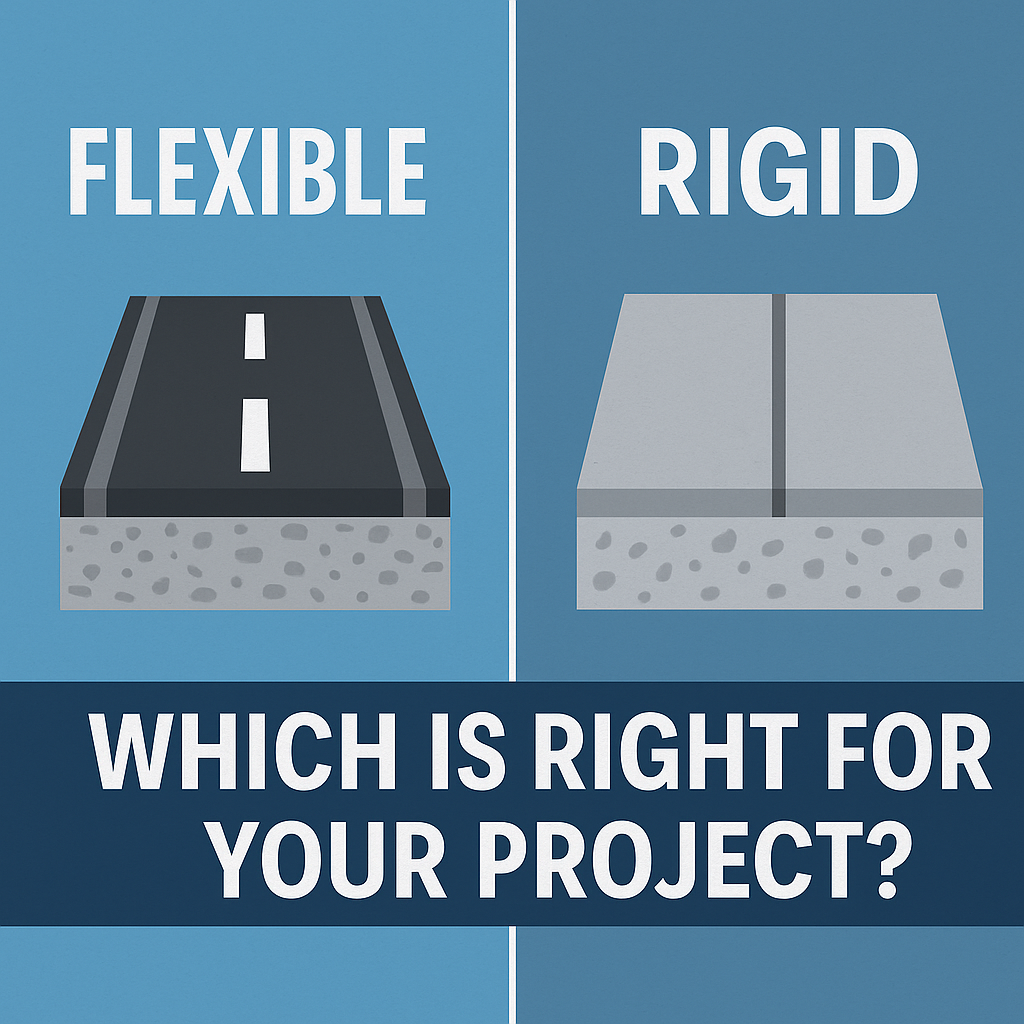
Flexible vs. Rigid Pavement: Which Is Right for Your Project?

When planning a new road, street, or highway, one of the most important decisions you’ll face is whether to use flexible or rigid pavement. Each has its advantages, costs, and ideal use cases. Choosing the right type of pavement can save millions in construction and maintenance over the project’s lifecycle. In this post, we break

, , , , , , , ,
Scroll to Top