Traffic Impact Study

Effective Green
Traffic Engineering, Trainings, Transportation Planning

Green Time vs Effective Green Time: What’s the Difference?

Signalized intersections are at the heart of urban mobility. To optimize traffic flow, planners and engineers must understand key signal timing concepts—two of the most important being Green Time and Effective Green Time. Although they sound similar, they serve different purposes in capacity analysis and signal design. This post explains both terms, highlights the differences, […]

, , ,
ITE Trip Generation Manual 12th Edition
Parking, Traffic Engineering, Trainings, Transportation Planning

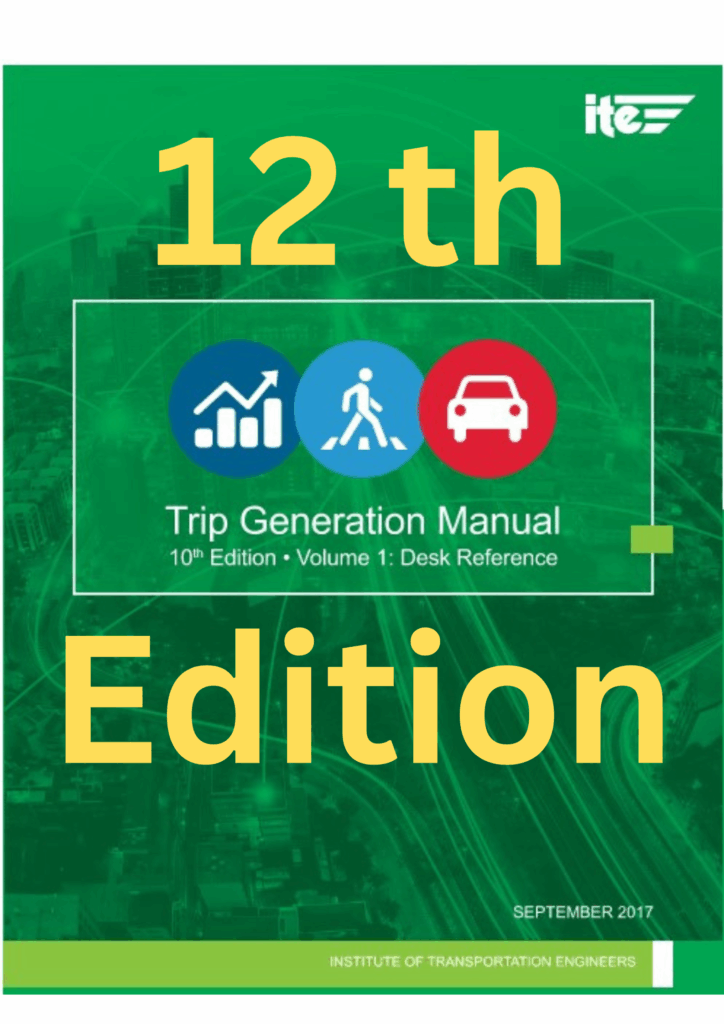
ITE Trip Generation Manual 12th Edition — What’s New and How to Access It

In the world of traffic engineering and transportation planning, few resources are as widely recognized (and as frustratingly hard to access) as the ITE Trip Generation Manual. With the release of the 12th Edition, transportation professionals are eager to see what’s new — but also wondering how to actually get their hands on it without

, , , , , ,
Ai traffic counts
Traffic Engineering, Transportation Planning

AI Traffic Counting: The Smarter Way to Collect Traffic Data

Traffic data is essential for city planners, transportation engineers, and traffic management authorities. Traditionally, collecting traffic counts has been a labor-intensive, slow, and sometimes error-prone process. But with advances in artificial intelligence, traffic counting has become faster, more accurate, and more cost-effective. Arterials has developed an AI Traffic Counter —a solution designed to simplify traffic

, , , ,
Peak Hour Trip Estimation Calculator
Traffic Engineering, Trainings

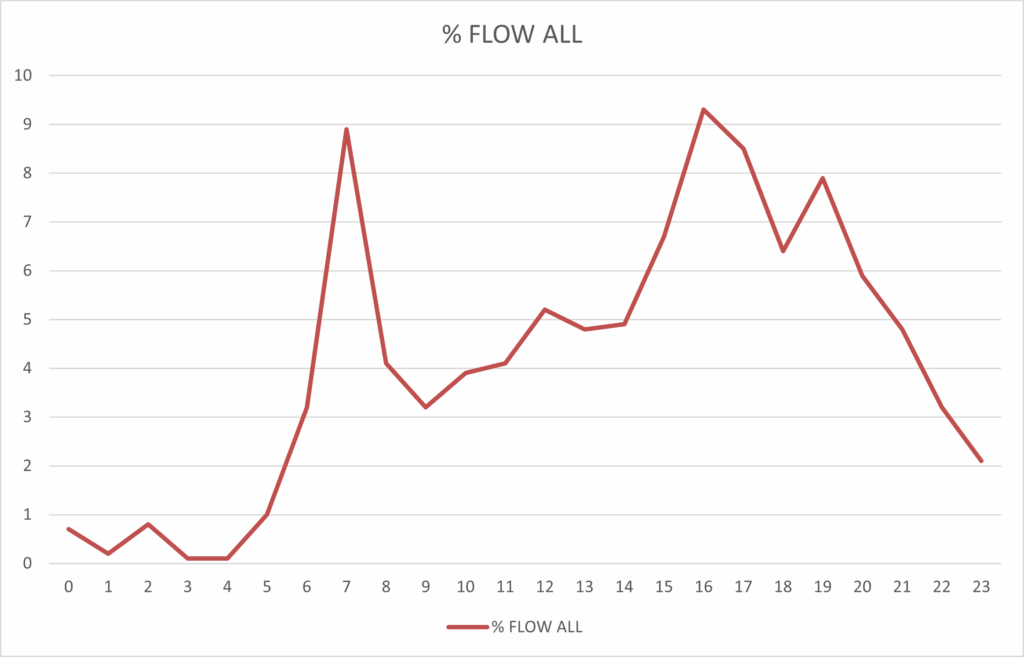
What is Rush Hour Traffic? How Engineers Calculate Peak Hour Traffic Volumes

When most people talk about rush hour traffic, they’re thinking about the frustrating congestion on roads during the morning and evening commute. Transportation engineers use a more technical term for the same idea: peak hour traffic. Understanding how traffic builds up during these busy times is crucial for designing roads, planning intersections, and evaluating new

, , , , , , , , ,
Trip Generation
Traffic Engineering, Transportation Planning

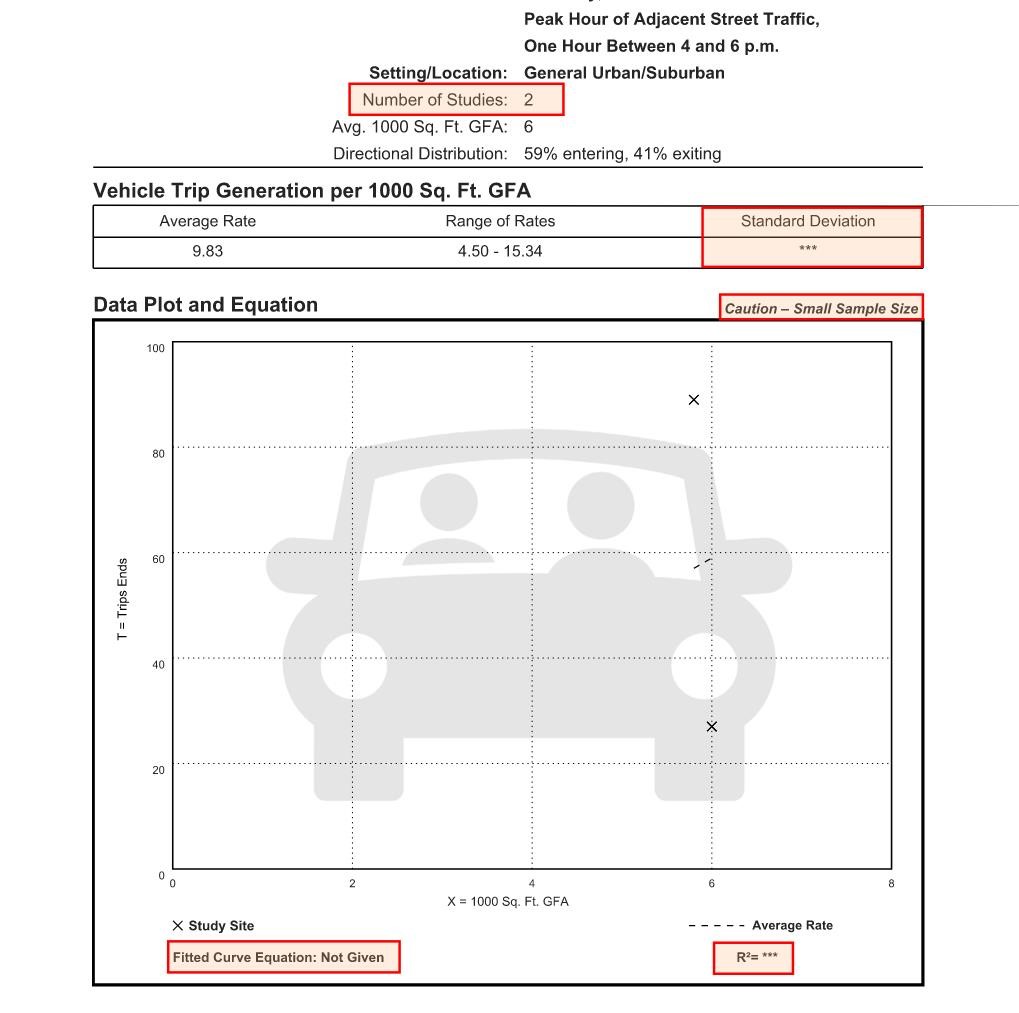
How to Estimate Vehicle Trips from a New Development: A Step-by-Step Guide

Planning a new residential, commercial, or mixed-use development? One of the most critical steps in understanding its impact on surrounding roads and infrastructure is estimating how many vehicle trips it will generate. Whether you’re preparing a Traffic Impact Study (TIS), Traffic Impact Assessment (TIA), or just doing a preliminary feasibility analysis, getting your trip generation

, , , , , , , , ,
Travel Demand Management
Parking, Pavement, Traffic Engineering

Top 10 Travel Demand Management Strategies to Reduce Site Trip Generation

🛑 Facing a Problem with High Trip Generation? You’ve run your numbers.The Trip Generation Estimate is way above what the local road network can handle.Your Traffic Impact Study (TIS) or Traffic Impact Assessment (TIA) shows intersections failing, and the city wants costly mitigation. Now what? This is where Travel Demand Management (TDM) can help. You

, , , , , , , , , , , , , , , , , , ,
traffic impact study
Parking, Pavement, Traffic Engineering, Transportation Planning

What Is a Traffic Impact Assessment? A Complete Guide for Planners, Developers, and Engineers

🚦 What Is a Traffic Impact Assessment? A Traffic Impact Assessment (TIA) — also known in some regions as a Traffic Impact Study (TIS) — is a formal analysis that evaluates how a proposed development or land use change will affect the existing transportation network. It helps local governments determine whether a project will: TIAs

, , , , , , , , , , , , , , , , , ,
Scroll to Top