Parking surveys are an essential tool for transportation planners, traffic engineers, and urban designers. Whether you’re evaluating a busy downtown street, a shopping center lot, or a mixed-use development, understanding how vehicles use parking spaces can inform policy, optimize land use, and improve traffic flow.
In this guide, we’ll walk through types of parking facilities, key metrics, step-by-step survey techniques, and best practices for conducting a comprehensive parking study.
Types of Parking Facilities
Parking facilities come in different forms, and each type requires a slightly different survey approach.
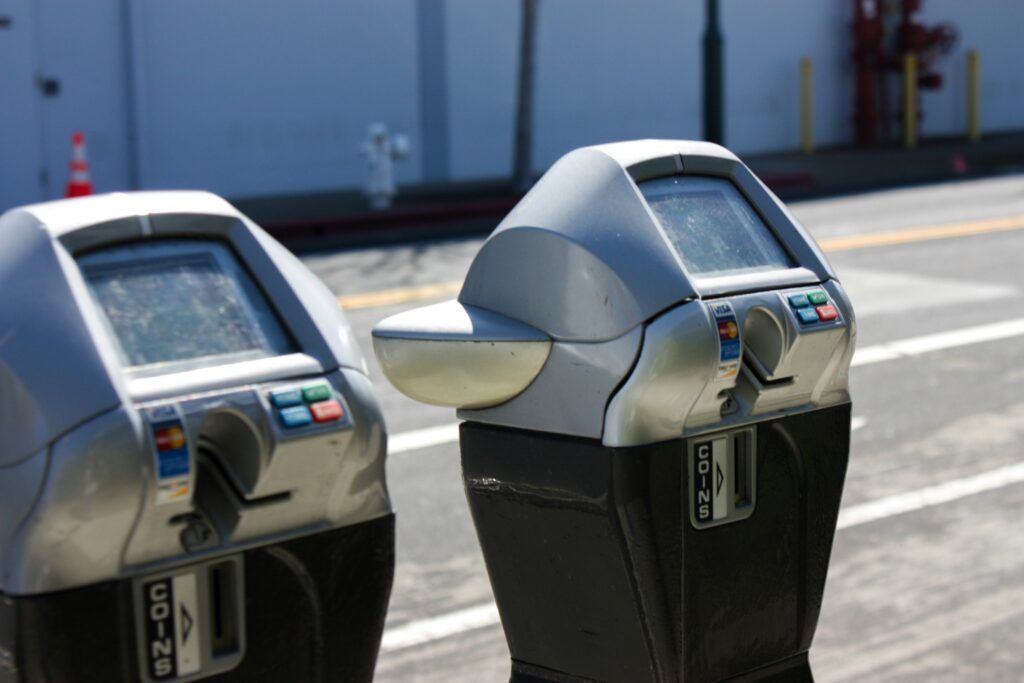
On-Street Parking
On-street parking refers to curbside spaces along public streets. These may include:
- Metered spaces
- Time-limited zones
- Residential permit zones
On-street parking directly affects traffic operations. High turnover areas can create temporary congestion, while illegal parking or overstays may impact both safety and revenue collection.
Off-Street Parking
Off-street parking includes parking lots and garages not directly on the street, such as:
- Public or private lots
- Multi-level garages
These facilities often have designated ingress and egress points. Understanding occupancy and peak use is important to prevent spillover into surrounding streets.
Mixed / Shared Parking
Some facilities serve multiple land uses at different times. For example, an office building that shares its lot with evening retail or restaurant users.
Key Point: Peak demand analysis should consider each land use’s operating hours to accurately capture utilization.
Key Metrics in Parking Studies
A good parking study collects the right metrics. Here are the most common:
| Metric | Definition | Why It Matters |
|---|---|---|
| Occupancy | % of spaces used at a given time | Shows how full a facility or street is |
| Turnover | Number of vehicles using a space per day | Measures demand and revenue potential |
| Dwell Time | Average duration a vehicle stays in a space | Indicates compliance with time limits |
| Duration Compliance | % of vehicles obeying posted limits | Helps assess enforcement needs |
| Peak Demand | Highest occupancy period | Critical for planning expansions or restrictions |
Occupancy Formula:
Occupancy (%)=Total spaces availableNumber of vehicles present×100
Example: A 50-space lot with 40 cars has an occupancy of 80%.

Parking Survey Techniques
Here’s a practical step-by-step guide for surveying off-street lots and on-street parking.
Off-Street Parking Lot Survey
- Count the total number of spaces in the subject lot. This is the lot’s capacity.
- Record the number of vehicles present at the start of the survey. This is the initial occupancy.
- Track lot access activity:
- If using a 30-min interval survey, simply count the number of occupied spaces each interval.
- If counting ingress/egress, record each vehicle entering and exiting the lot.
- Calculate parking utilization throughout the day.
- Formula for parking utilization at a given interval:
- Analyze turnover and dwell time if needed:
- Turnover per space = Total vehicles using the lot ÷ Lot capacity
- Average dwell time = Total parked hours ÷ Total vehicles
Tip: Visualize occupancy trends with a line chart across the survey period to see peaks and troughs.
On-Street Parking Survey
- Prepare a large spreadsheet on a clipboard to record license plates, occupancy, and vacant spaces.
- Divide the study area into segments (e.g., blocks, curbside sections).
- First pass: Walk from one end of a segment to the other, recording:
- Each vehicle’s license plate
- Mark vacant spaces as “vacant”
- Return pass: Walk back to the starting point, verifying your counts and capturing vehicles that may have moved.
- Repeat passes for the duration of the peak hour or study interval.
- Additional intervals: Walk again at the start of the next survey period (e.g., every 30 min or hour).
- Calculate metrics:
- Segment Occupancy (%) = (Number of occupied spaces ÷ Total spaces) × 100
- Parking Maneuvers = Number of vehicles entering/exiting per interval
Tip: Multiple passes help account for turnover and improve accuracy, especially in high-demand areas.
Organizing and Presenting Results
After collecting your data:
- Tables – occupancy by block, lot, or segment
- Graphs – dwell time, turnover, peak demand trends
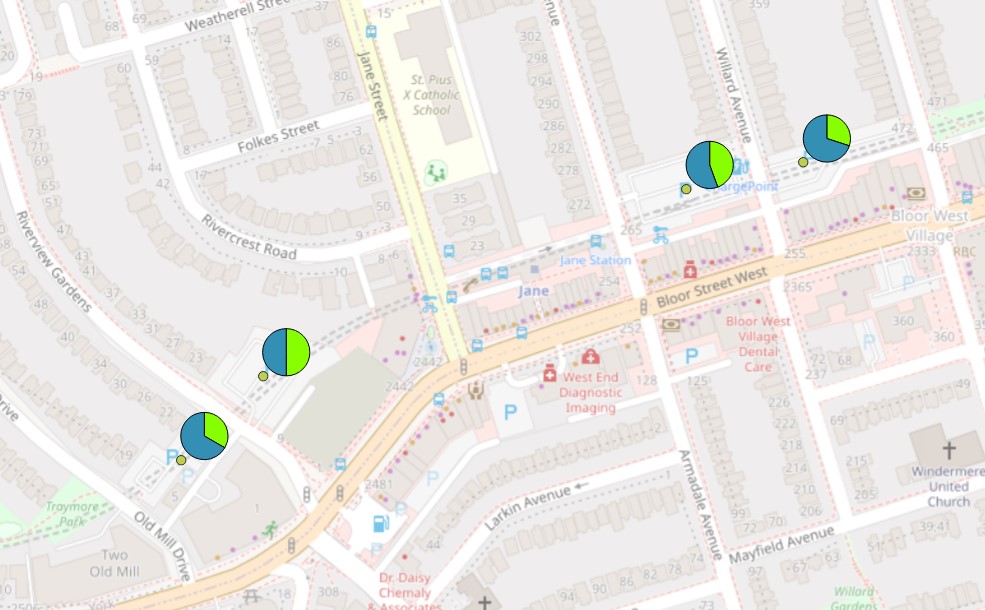
- Heat Maps – visually highlight high- and low-demand areas
Example: A downtown block map colored by peak occupancy can quickly show where enforcement or additional spaces may be needed.
Best Survey Practices
- Define the scope: Identify streets, lots, and survey intervals in advance.
- Coordinate with stakeholders: Parking enforcement, lot management, and local authorities can provide insights.
- Capture peak and off-peak periods: Provides a complete view of demand.
- Prioritize surveyor safety: Ensure visibility and minimize exposure to traffic hazards.
- Cross-validate data: Compare manual counts with automated counts if available.
Conclusion
Parking surveys are an essential tool for urban planning, traffic operations, and policy-making. By following a structured methodology—whether for on-street segments or off-street lots—planners can accurately measure occupancy, turnover, and dwell time, leading to informed decisions that improve accessibility, safety, and efficiency.
For more practical guides on traffic analysis, Synchro modeling, and urban mobility planning, explore Arterials.co.