Transportation Planning

Adapting Road and Rail Networks to Climate Change
Pavement, Public Transit, Transportation & Climate Resilience, Transportation Planning

Adapting Road and Rail Networks to Climate Change & Extreme Weather

Why Climate Resilience Matters Climate change is no longer a distant risk—it is a present-day reality. Rising temperatures, heavier rainfall, stronger storms, and frequent flooding are directly affecting how transport systems operate. Road and rail networks, designed for “historical” weather conditions, are increasingly vulnerable to climate extremes that disrupt connectivity, raise maintenance costs, and endanger […]

, , , , , , , , , ,
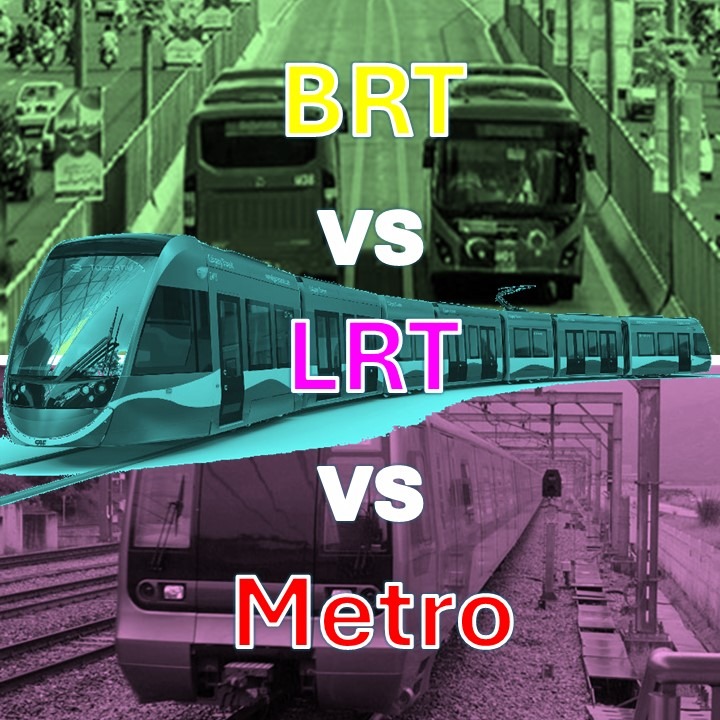
brt vs lrt vs metro
Public Transit, Transportation Planning

BRT vs. LRT vs. Metro: Choosing the Right Transit Mode for Your City

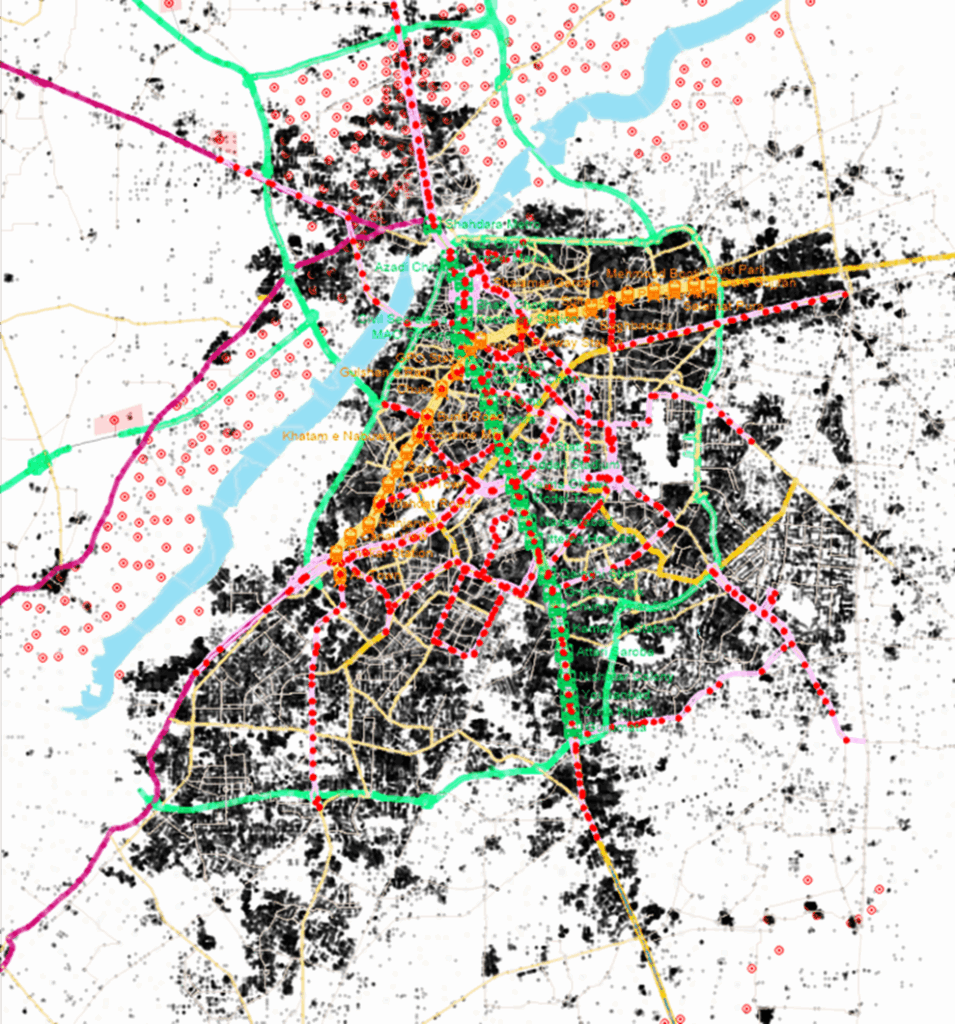
Urban mobility is at the heart of sustainable city growth. Around the world, cities face the challenge of moving large numbers of people efficiently, affordably, and with minimal environmental impact. Three of the most common mass transit modes considered are Bus Rapid Transit (BRT), Light Rail Transit (LRT), and Metro (Heavy Rail/Underground Rail). Whatever mode

, , , , , , , , , ,
traffic signal warrant calculator
Traffic Engineering, Trainings, Transportation Planning

Understanding Signal Timing Plans: Key Terms and Control Types

Traffic signals are at the heart of modern intersections. Their timing not only dictates how efficiently traffic flows but also affects safety, pedestrian accessibility, and overall network performance. To design or evaluate a signal plan, engineers rely on a set of technical terms that describe how green, yellow, and red indications are distributed across phases

, , , , , ,
travel demand model
Public Transit, Traffic Engineering, Transportation Planning

How to Build a Transportation (Travel Demand) Model: A Practitioner’s Guide

A transportation (travel demand) model is a quantitative framework that forecasts how people and goods move through a region under different land-use and network scenarios. Done well, a model becomes a decision engine: it helps test road and transit projects, pricing policies, and growth plans before spending real money. This guide covers when you actually

, , , , , , , , , , , , , ,
Parking Dimensions
Parking, Transportation Planning

Good Parking Standards: A Complete Reference for Designers and Architects

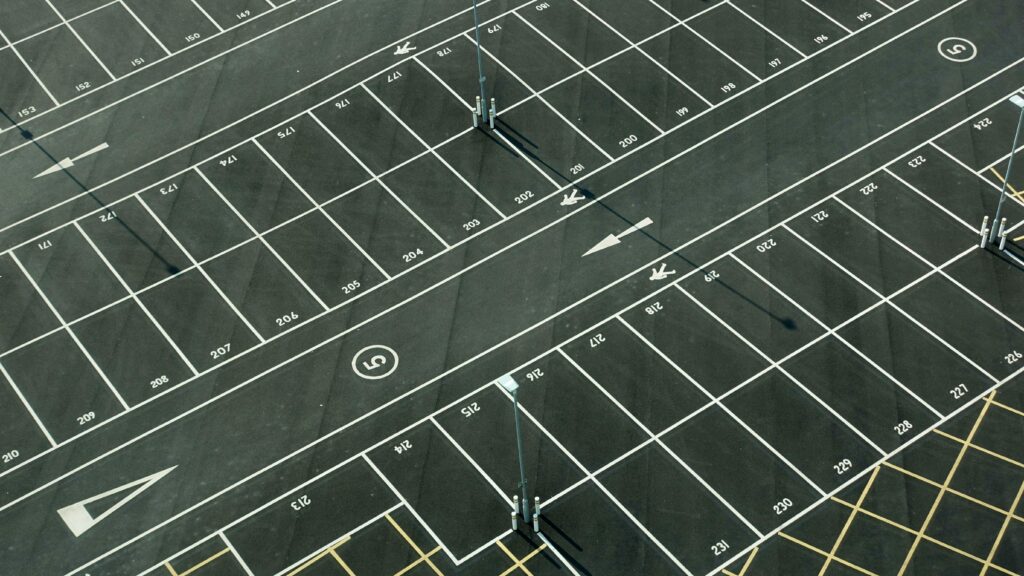
Designing a parking lot requires attention to efficiency, safety, and accessibility. Below is a reference guide with parking space dimensions, aisle widths, clearances, layout types, and line-marking standards that designers can use when planning surface or structured parking facilities. Try our parking layout calculator to see how many space you need. Standard Parking Space Dimensions

, , , , , ,
Should you study transportation engineering
Traffic Engineering, Trainings, Transportation Planning

Should You Study Transportation Engineering?

Transportation planning and engineering is one of the most dynamic and impactful career paths available today. It sits at the intersection of technology, infrastructure, sustainability, and public policy. If you’ve ever searched “Should I study transportation engineering?” or “Is traffic engineering a good career?”, this guide will help you understand why the answer is a

, , , , , , , , , , , , , , ,
pass by trips
Traffic Engineering, Transportation Planning

Pass-By Trips: What They Are, How to Calculate Them, and How Not to Get Burned

If you already work with trip generation, you know the headline challenge in many Traffic Impact Studies (TIS/TIA): not all site trips are “new” to the network. Some are simply siphoned from vehicles already passing by. Getting this right can change turn lane warrants, signal timing, and mitigation costs. This guide is a practitioner’s deep-dive

, , , , , , , , , , , , , , , , , , , , , , , ,
transportation master plan
Transportation Planning

What is a Transportation Master Plan?

A Transportation Master Plan (TMP) is a comprehensive, long-term strategic document that guides the development, management, and investment in a community’s transportation system. It ensures that transportation networks, roads, public transit, walking, cycling, and freight are planned in a coordinated way to meet current needs while accommodating future growth. TMPs are typically prepared for cities,

, , , , , , , , ,
public transit vehicle capacity
Public Transit, Transportation Planning

Public Transit Vehicle Types, Capacities, and Use Cases

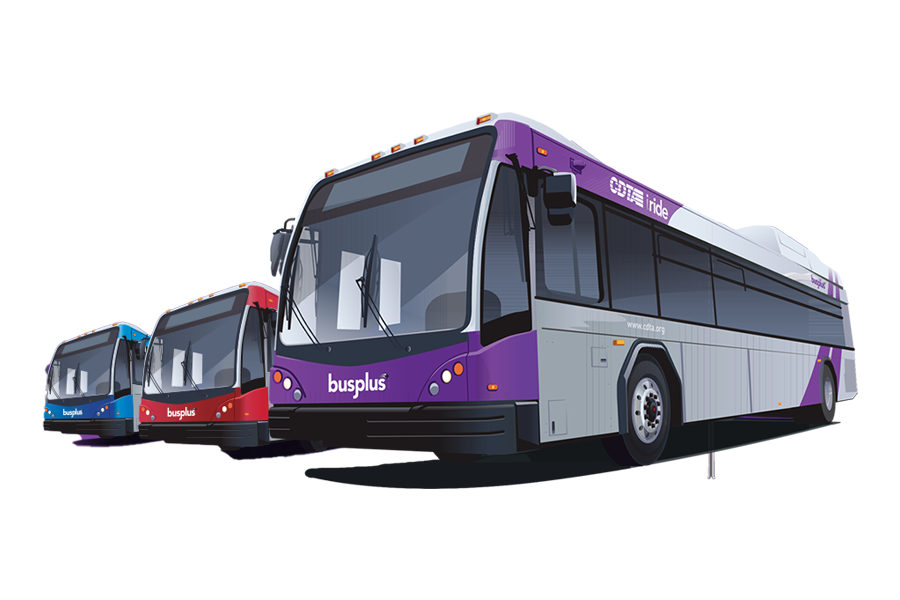
Choosing the right type of public transit vehicle is a balance between passenger demand, operating cost, capacity, and corridor constraints. From standard 12 m buses to high-capacity metro trains, each vehicle type has unique strengths and limitations. Planners often start by estimating peak-hour ridership and matching it to the seating and standing capacity of available

, , , , , , , , ,
Parking Ratio Commercial Building
Parking, Traffic Engineering, Transportation Planning

Parking Ratio for Commercial Building – Quick Reference Guide

When planning or reviewing a commercial development, parking ratio is one of the most important site design considerations. This ratio, usually expressed as the number of parking spaces required per unit of floor area (e.g., spaces per 1,000 square feet or per 100 m²), ensures that the development can accommodate expected demand without overbuilding costly,

, , , , , , , , , ,
Scroll to Top