Public Transit

How to estimate transit ridership
Public Transit, Transportation Planning

How to estimate ridership for a transit line — a practical, end-to-end guide

Estimating ridership is the single most important early exercise in mass transit planning. A realistic ridership estimate tells you whether a scheme is worth designing, what level of service you should provide, and whether further investment in full demand modelling is warranted. This guide explains how to estimate ridership using both simple, defensible methods and […]


, , , , , , , , , , , , , ,
Climate-Resilient Public Transit
Public Transit, Transportation & Climate Resilience

Climate-Resilient Public Transit: Protecting Buses, Rail, and Depots from Extreme Weather

Why Public Transit Needs Climate Resilience Public transit systems—buses, metros, trams, and commuter rail—are the lifeblood of urban mobility. As cities grow, they are also frontline services in the fight against climate change. But extreme weather events pose new challenges: flooded bus depots, overheated rail tracks, disrupted power supplies, and stranded passengers. To maintain reliable,

, , , , , , ,
Adapting Road and Rail Networks to Climate Change
Pavement, Public Transit, Transportation & Climate Resilience, Transportation Planning

Adapting Road and Rail Networks to Climate Change & Extreme Weather

Why Climate Resilience Matters Climate change is no longer a distant risk—it is a present-day reality. Rising temperatures, heavier rainfall, stronger storms, and frequent flooding are directly affecting how transport systems operate. Road and rail networks, designed for “historical” weather conditions, are increasingly vulnerable to climate extremes that disrupt connectivity, raise maintenance costs, and endanger

, , , , , , , , , ,
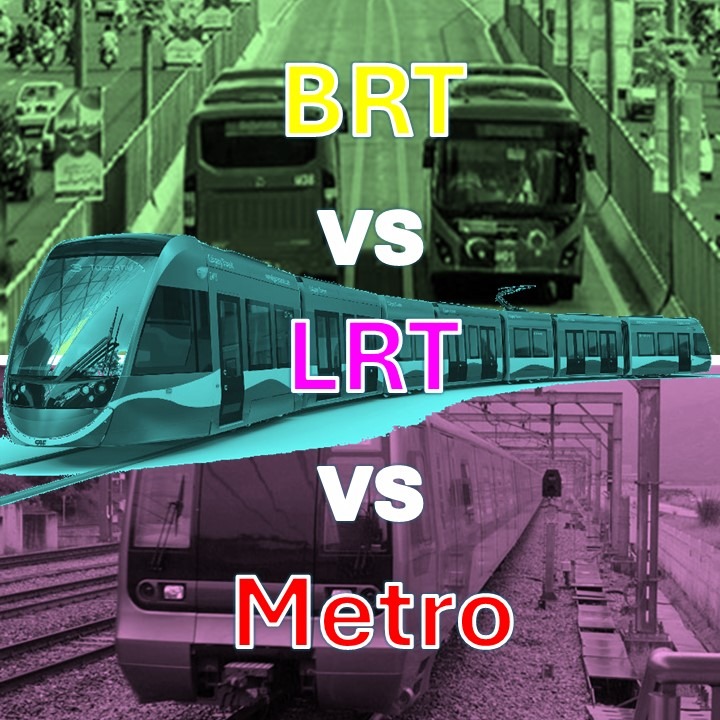
brt vs lrt vs metro
Public Transit, Transportation Planning

BRT vs. LRT vs. Metro: Choosing the Right Transit Mode for Your City

Urban mobility is at the heart of sustainable city growth. Around the world, cities face the challenge of moving large numbers of people efficiently, affordably, and with minimal environmental impact. Three of the most common mass transit modes considered are Bus Rapid Transit (BRT), Light Rail Transit (LRT), and Metro (Heavy Rail/Underground Rail). Whatever mode

, , , , , , , , , ,
how to increase transit revenue
Public Transit

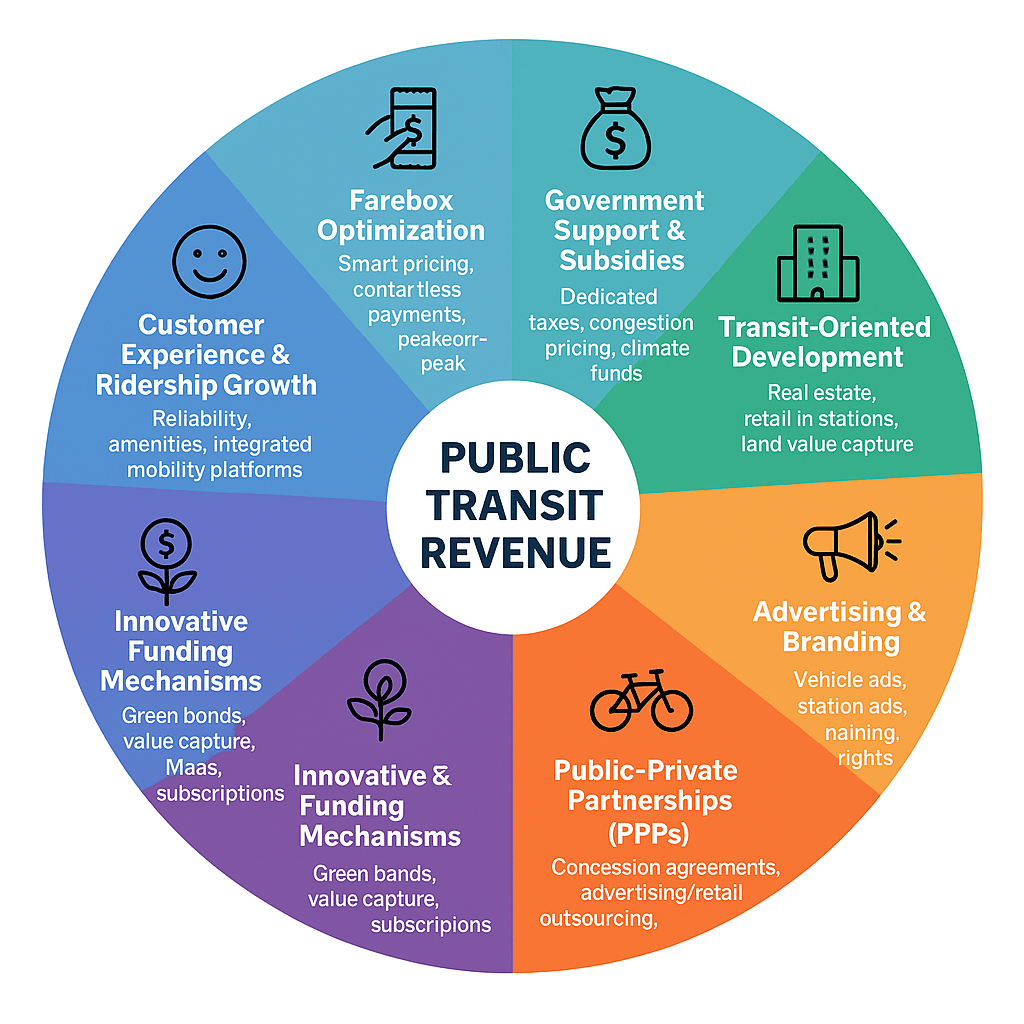
Revenue Generating Strategies for Public Transit Services

Public transit systems are the backbone of urban mobility—moving millions of people daily, reducing congestion, and supporting economic activity. Yet, many agencies around the world struggle with financial sustainability. Farebox revenue alone rarely covers operating costs, and capital-intensive expansions demand alternative funding sources. To thrive, transit agencies must diversify their income streams beyond fares. This

, , , , , , , , , ,
travel demand model
Public Transit, Traffic Engineering, Transportation Planning

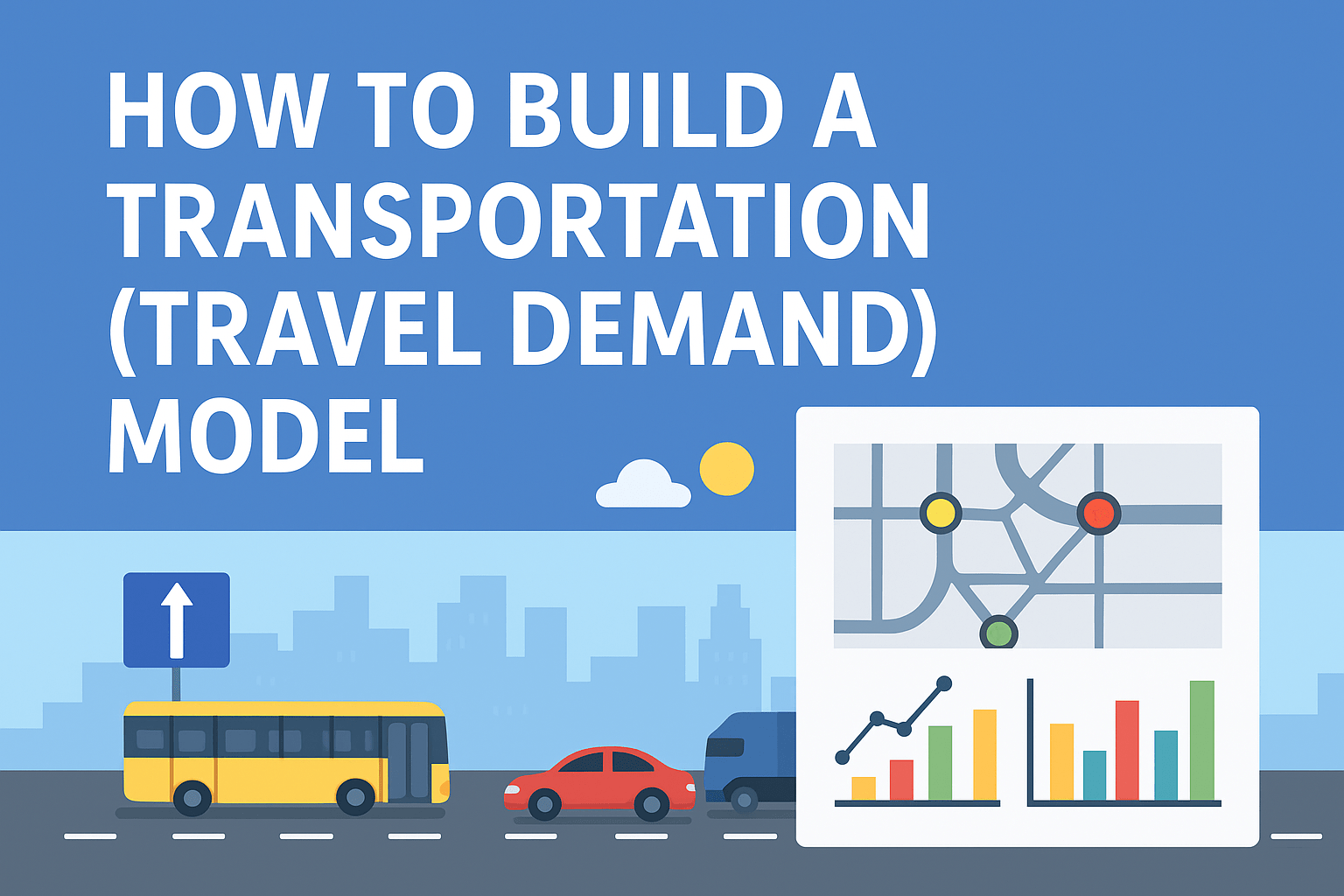
How to Build a Transportation (Travel Demand) Model: A Practitioner’s Guide

A transportation (travel demand) model is a quantitative framework that forecasts how people and goods move through a region under different land-use and network scenarios. Done well, a model becomes a decision engine: it helps test road and transit projects, pricing policies, and growth plans before spending real money. This guide covers when you actually

, , , , , , , , , , , , , ,
public transit vehicle capacity
Public Transit, Transportation Planning

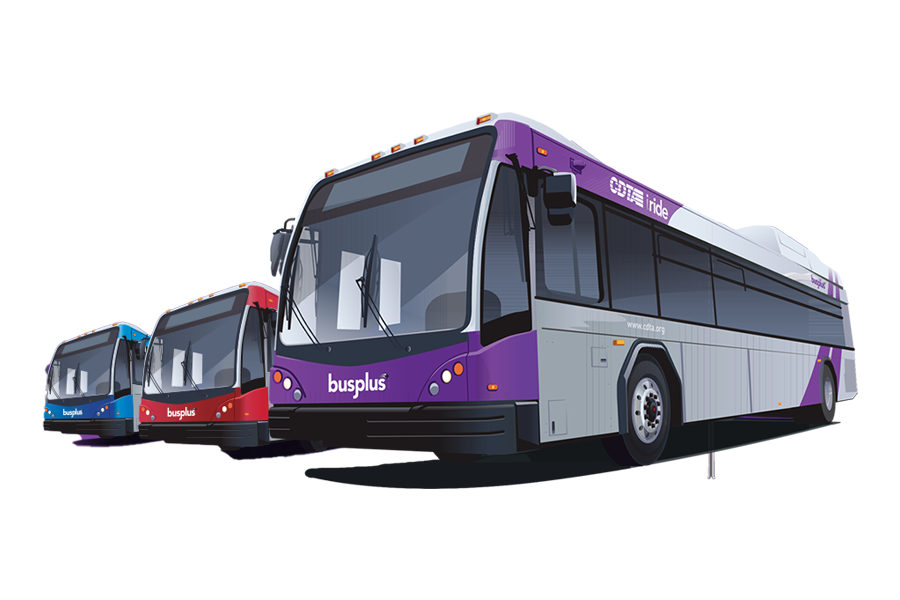
Public Transit Vehicle Types, Capacities, and Use Cases

Choosing the right type of public transit vehicle is a balance between passenger demand, operating cost, capacity, and corridor constraints. From standard 12 m buses to high-capacity metro trains, each vehicle type has unique strengths and limitations. Planners often start by estimating peak-hour ridership and matching it to the seating and standing capacity of available

, , , , , , , , ,
Scroll to Top