🚦 What Is a Traffic Impact Assessment?
A Traffic Impact Assessment (TIA) — also known in some regions as a Traffic Impact Study (TIS) — is a formal analysis that evaluates how a proposed development or land use change will affect the existing transportation network.
It helps local governments determine whether a project will:
- Cause congestion
- Create safety concerns
- Require upgrades to roads, intersections, or public transit services
TIAs are commonly required as part of planning approvals for medium to large-scale developments such as malls, housing schemes, office towers, or industrial zones.
🏙️ When Is a Traffic Impact Study Required?
A Traffic Impact Study (TIS) is typically required when a development is expected to generate a significant number of trips, especially during peak hours. While thresholds vary by jurisdiction, a TIA may be triggered if:
- A development includes more than a certain number of residential units or commercial floor space
- It adds 100+ peak hour trips
- It changes land use (e.g., converting warehouses to retail)
- The site is near sensitive intersections, schools, or major roads
The scope of a TIS/TIA depends on local guidelines, but even small projects may require one in congested urban areas.
Use our TIA report Template to start creating a complete assessment for your subject development.
📋 What’s Included in a Traffic Impact Assessment?
A typical Traffic Impact Assessment includes the following sections:
1. Project Overview
- Land use, location, access points
- Size and type (e.g., 80-unit condo, 30,000 sq ft retail)
- Development phasing (if applicable)
2. Existing Transportation Conditions
- Road layout and classification
- Current traffic volumes (AM/PM peak hours)
- Intersection performance (LOS, delay)
- Nearby transit routes, bike lanes, and pedestrian networks
3. Trip Generation Estimation
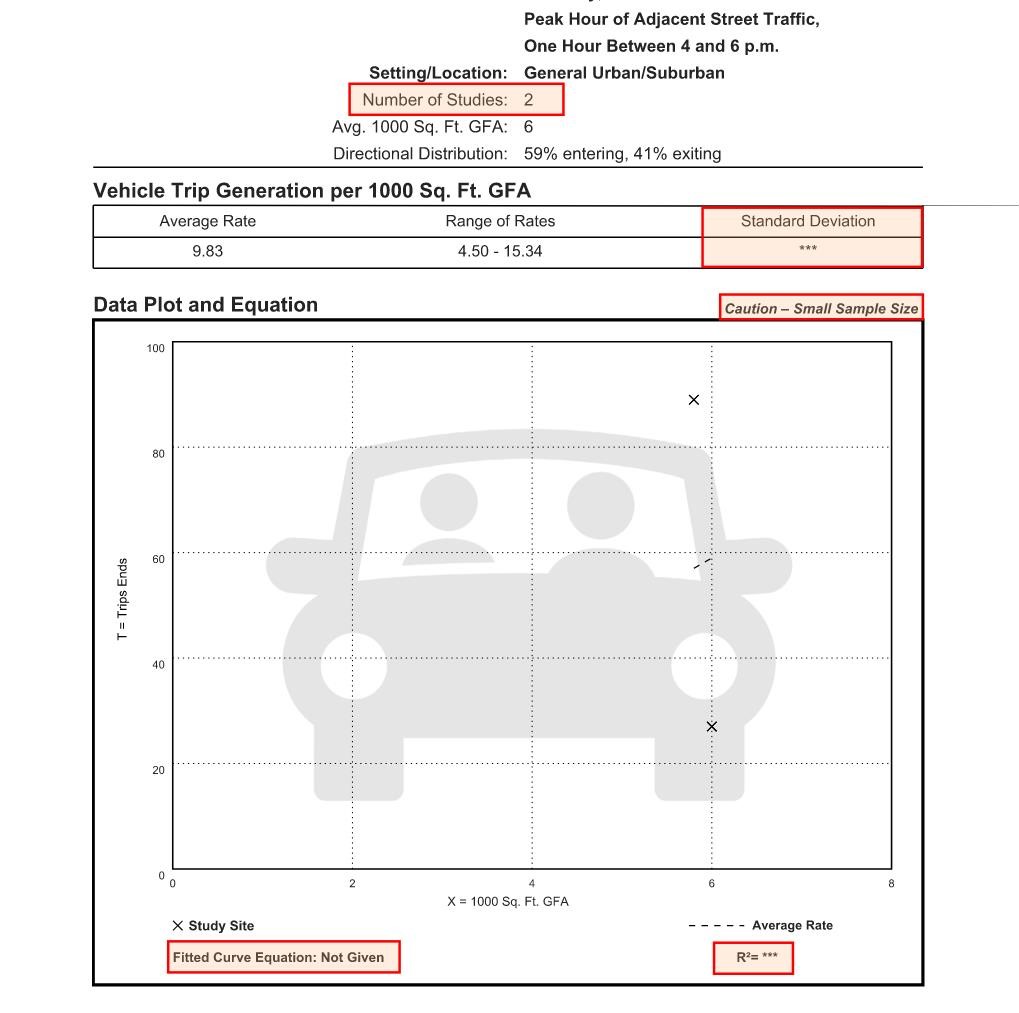
- Estimates the number of new trips generated by the development
- Based on ITE Trip Generation Manual, regional data, or local travel surveys
🛠️ Use our Trip Generation Estimator to calculate peak-hour traffic volumes by land use type instantly.
4. Trip Distribution and Assignment
- Determines where the trips will come from and go
- Uses regional traffic models, travel demand patterns, or GIS data
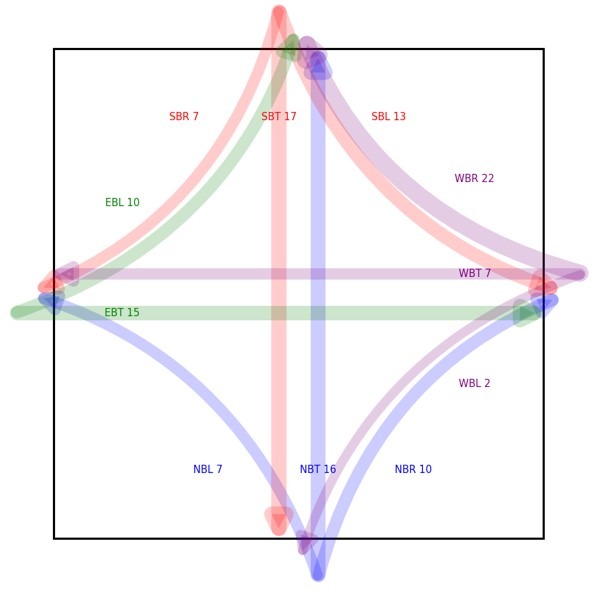
- Assigns trips to the surrounding road network
- Try our free trip distribution tool.
5. Traffic Impact Analysis
- Combines existing traffic with generated trips
- Evaluates impacts on nearby intersections
- Analyzes Level of Service (LOS), volume to capacity ratios, delays, and queuing
- Identifies need for signal upgrades, turn lanes, or roundabouts
6. Parking Demand and Supply Analysis
- Assesses how many on-site parking spaces are required
- Uses parking generation rates or zoning requirements
- May include shared parking or demand management strategies
🛠️ Use our Parking Demand Estimator to determine how many parking spaces are needed for your site.
7. Mitigation Measures
- Infrastructure improvements (road widening, signals)
- Transportation Demand Management (TDM)
- Access modifications
- Pedestrian or cyclist enhancements
🧮 Traffic Impact Study Example
Let’s say a developer proposes a 60,000 sq ft supermarket in a suburban area.
- Land Use: Supermarket (ITE Code 850)
- Estimated Trip Generation: ~250 peak hour trips
- Existing nearby intersections operate at LOS C
The TIA would:
- Analyze future traffic at intersections. Typically, improvements would be warranted if:
- the LOS drops to E or F.
- the V/C ratio on any movement exceeds 1.
- If the 95th percentile Queue length exceeds the storage length of a lane.
- Assess if site access causes delays or safety risks
- Recommend lane adjustments or signal timing changes
- Re-evaluate the intersection to confirm the recommendations are approrpriate and effective.
- Determine if additional parking or turn lanes are needed
📌 Why Traffic Impact Assessments Matter
Whether you call it a TIS or TIA, the purpose is the same: to ensure new developments don’t negatively impact transportation operations or safety.
✅ For Cities: Helps manage growth and avoid gridlock
✅ For Developers: Streamlines approval by anticipating issues
✅ For Communities: Protects quality of life and road safety
🎯 Who Conducts a TIS/TIA?
Typically, a licensed Transportation Engineer or Planner prepares the report, following:
- Local traffic study guidelines
- Regional trip generation data
- Standard methodologies (e.g., HCM, Synchro, SIDRA)
In some jurisdictions, pre-application scoping is required with the city to define the study area, peak periods, and assumptions.
🧰 Tools to Support Your Traffic Assessment
We’ve created a suite of free, web-based tools to assist planners and engineers with early-stage analysis:
- 🚘 Trip Generation Estimator
- 🅿️ Parking Demand Estimator
- ⚠️ Signal Warrant Calculator
- 📉 Convert Traffic Volume to ESALs (for pavement impacts)
These tools are ideal for:
- Consultants doing pre-feasibility analysis
- City planners reviewing rezoning proposals
- Architects and developers preparing preliminary plans
🏁 Final Thoughts
A Traffic Impact Assessment — or Traffic Impact Study, depending on where you are — is a vital planning tool to evaluate how developments affect roads, transit, parking, and safety.
By identifying impacts early and proposing smart mitigation, TIAs ensure that growth happens in a way that benefits everyone — not just motorists, but also pedestrians, cyclists, and transit users.
Looking to streamline your next TIS/TIA?
🛠️ Try the free planning tools at Arterials.co to save time and get data-driven results, or contact us for professional transportation planning services.
FAQs about Traffic Impact Studies
Q1. What is a Traffic Impact Assessment?
A Traffic Impact Assessment (TIA) is a study that evaluates how a proposed development will affect the surrounding road network, intersections, and traffic flow.
Q2. Why is a Traffic Impact Assessment required?
Cities and municipalities require TIAs to ensure that new developments do not cause excessive congestion or safety issues, and to identify improvements if needed.
Q3. What is included in a Traffic Impact Assessment report?
A typical TIA includes project description, study area definition, existing traffic counts, trip generation, trip distribution, intersection analysis, and recommended mitigation measures.
Q4. Who prepares a Traffic Impact Assessment?
TIAs are usually prepared by qualified transportation planners or traffic engineers following municipal or national guidelines.
Q5. How much does a Traffic Impact Assessment cost?
Costs vary by project size and location, but a TIA can range from $5,000 for small projects to over $50,000 for large, complex developments.